
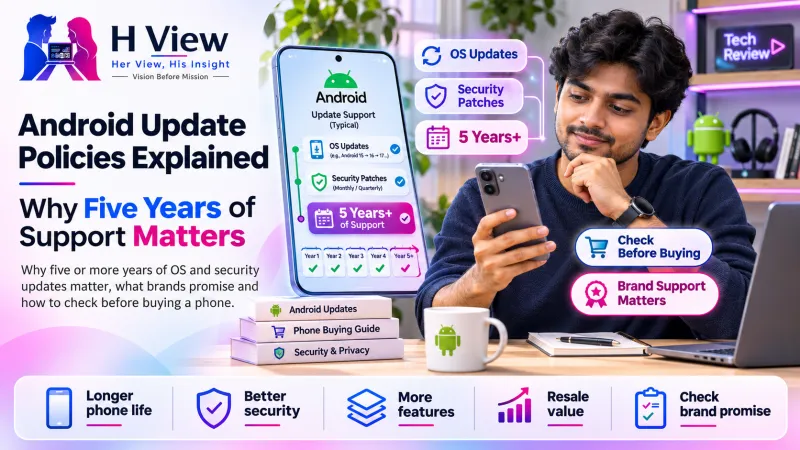
Android Update Policies Explained: Why Five Years of Support Matters
Two phones can look identical on the box but get very different years of updates. Here is what Android update policies mean, what major brands promise, and why it matters for your money and safety.
Android update policies tell you how many years a phone will receive new Android versions and security patches. They matter because security patches protect your banking apps, photos and passwords, and longer support means you can use a phone safely for more years. Many flagships now promise six or seven years, while budget phones often get far less.
When most people compare phones, they look at the camera, battery, processor and price. Very few ask, "How long will this phone stay secure?" Yet that one question can decide whether a phone lasts you two years or six. A cheaper phone that stops getting security patches early can end up costing more, because you replace it sooner.
What is the difference between OS upgrades and security updates?
Two kinds of updates
OS upgrades
- New Android version, for example Android 16 to 17
- New features and design changes
- Usually once a year
Security patches
- Fix vulnerabilities attackers could use
- Monthly or quarterly
- Most important for safety
A phone can stop getting new Android versions but continue receiving security patches for a while. When security patches stop, the phone keeps working, but newly discovered weaknesses are no longer fixed. Over time, some banking and payment apps may also stop supporting very old Android versions.
What do major brands promise?
Policies change often and differ by model, so treat this as a snapshot. According to Beebom's brand-by-brand guide updated on 13 October 2026:
| Brand and models | OS upgrades | Security patches |
|---|---|---|
| Google Pixel 8 and later | 7 years | 7 years |
| Samsung Galaxy S24 and later flagships, recent foldables | 7 | 7 years |
| Samsung Galaxy A series (for example A16, A26, A36, A56) | 6 | 6 years |
| Nothing Phone (3) | 5 | 7 years |
| Vivo X300 series | 5 | 7 years |
| OnePlus 15 and 15R | 4 | 6 years |
| Xiaomi 17 series | 5 | 6 years |
| Motorola Moto G lineup | Up to 2 | About 3 years |
Notice the gap. Even within one brand, a flagship and a budget model can have very different promises. The same guide also notes that some marketing claims, like a phone staying "fast and smooth for 6 years", refer to performance optimisation, not software update support.
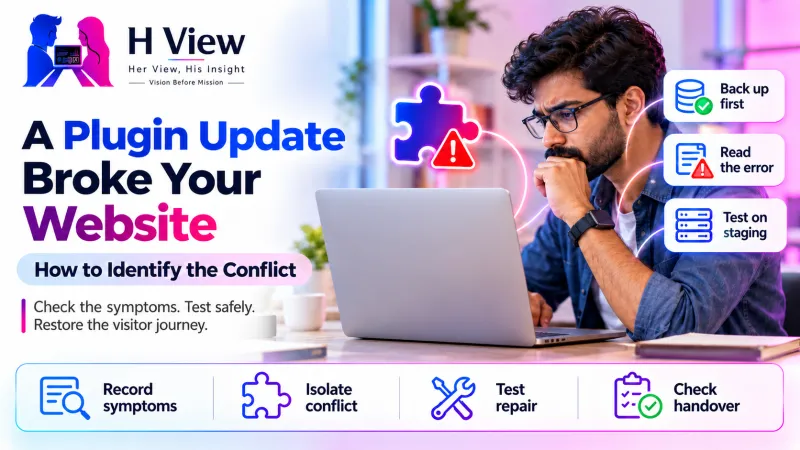
 Also readWebsite Broken After a WordPress Update? A Safe Recovery Checklist→
Why does five years of support matter?
What longer support gives you
- Safety: UPI, banking and email apps sit on your phone. Unpatched phones are easier targets.
- Value: Spread over more years, a slightly costlier phone with long support can work out cheaper per year.
- Resale and hand-me-downs: Phones with active updates are better for resale or for giving to family.
- Less e-waste: Using a phone longer is better for the environment.
How can you check a phone's update policy before buying?
- Look for the update promise on the brand's official product page
- Check whether the years are counted from launch, not from your purchase date
- Note both numbers: OS upgrades and security patch years
- For an older model on sale, subtract the time since launch
- On your current phone, check Settings for the security patch date
That last point matters when buying discounted older models after festive sales. A phone launched two years ago with five years of support has about three years left. Our guide to buying a phone after festival sales covers the price side of that decision.
Her View
Many of us pass our old phones to parents, house help or children. A phone that still gets security updates is a much safer gift, especially for elders who use it for banking or video calls with family. When buying a phone you plan to hand down later, update support is part of caring for the next user.
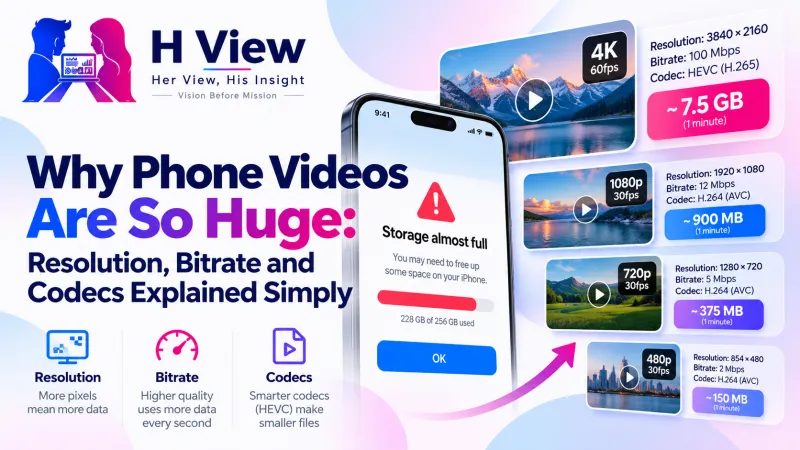 Also readWhy Phone Videos Are So Huge: Resolution, Bitrate and Codecs Explained Simply→
His Insight
Calculate cost per supported year. A ₹15,000 phone with three years of patches costs about ₹5,000 per secure year. A ₹25,000 phone with seven years costs about ₹3,600. The cheaper phone is not always the cheaper choice. Factor in battery health too, because a battery replacement may be needed to enjoy those later years.
H View Verdict
Android update policies are now one of the most important specs on a phone, even though they are rarely on the box. Look for at least five years of security updates if you plan to keep a phone for a long time, check how much of the support period is left, and compare cost per supported year, not just the sticker price.
Frequently Asked Questions
How many years of updates do Android phones get?
It varies widely. Recent Pixel phones and Samsung flagships get seven years, many mid-range phones get four to six years of security updates, and some budget phones get only about three.
What happens when a phone stops getting security updates?
It keeps working, but newly found security weaknesses are no longer fixed, which increases risk over time. Some apps may also eventually stop supporting very old Android versions.
How do I check my phone's security patch level?
On most Android phones, go to Settings, then About phone or Software information, and look for the Android security update or patch level date.
Do update years start from when I buy the phone?
Usually no. Most brands count support from the phone's launch date, so an older model bought later will have fewer years of updates left.
H View stories follow our editorial policy. Spotted an error? Tell us and we will correct it.
Rate this article
One tap is enough. No comment needed.
Was this article helpful?
Your answer goes straight to our editors.









Comments0
No comments yet. Start the conversation.