Marketing metrics are the numbers that show what happened between someone seeing your ad and paying you. CTR tells you how many people clicked, CPC what each click cost, CPM what visibility cost, CPA what each customer or lead cost, and ROAS how much sales came back for every rupee spent.
Agencies, ad dashboards and freelancers use these short forms all the time, and many business owners nod along without being sure what they mean. You do not need to become an analyst. You need to understand what each number measures, what it cannot tell you, and which one answers the question you actually care about: is this advertising helping my business?
What does each marketing metric mean?
Think of the journey in steps. Your ad is shown, some people click, a few of them enquire or buy, and those sales bring in money. Each metric describes one step of that journey.
| Metric | Full form | What it measures | Simple formula |
|---|
| CTR | Clickthrough rate | How often people who saw the ad clicked it | Clicks ÷ impressions × 100 |
| CPC | Cost per click | What you paid, on average, for one click | Total cost ÷ clicks |
| CPM | Cost per thousand impressions | What it cost to be shown 1,000 times | Total cost ÷ impressions × 1,000 |
| Conversion rate | — | How many clicks turned into the action you wanted | Conversions ÷ clicks × 100 |
| CPA | Cost per action (or acquisition) | What one enquiry, sign-up or sale cost you | Total cost ÷ conversions |
| ROAS | Return on ad spend | Sales value earned for each rupee of ad spend | Sales from ads ÷ ad spend |
Google Ads uses the same definitions. Its help pages describe CTR as clicks divided by impressions, average CPC as total click cost divided by clicks, and average CPA as the total cost of conversions divided by the number of conversions.
How do these numbers connect? One rupee example
Here is an illustrative example (not real campaign data) for a home bakery running a small ad campaign for cake orders:
- The ad was shown 10,000 times (impressions).
- 200 people clicked it, so the CTR is 200 ÷ 10,000 = 2%.
- The bakery spent ₹4,000, so the average CPC is ₹4,000 ÷ 200 = ₹20.
- The CPM is ₹4,000 ÷ 10,000 × 1,000 = ₹400 per thousand impressions.
- 10 people placed an order, so the conversion rate is 10 ÷ 200 = 5% and the CPA is ₹4,000 ÷ 10 = ₹400 per order.
- Those orders were worth ₹16,000, so the ROAS is ₹16,000 ÷ ₹4,000 = 4 (often written as 4:1 or 400%).
Notice how one number leads to the next. A higher CTR brings more visitors for the same impressions. A better website or offer raises the conversion rate, which lowers the CPA even if the CPC stays the same.
 Also readDigital Marketing Budget for Small Businesses: Where to Spend First→
Why can a good ROAS still lose money?
ROAS compares sales with ad spend only. It ignores the cost of ingredients, packaging, delivery, staff and platform fees. In our bakery example, suppose the bakery keeps about 25% of each order as gross profit. ₹16,000 in sales then leaves about ₹4,000 of profit, exactly what was spent on ads. A ROAS of 4 looks healthy on the dashboard, yet the campaign only broke even.
This is why it helps to work out your own break-even ROAS before reading any report. A simple way is 1 ÷ your profit margin. With a 25% margin, break-even ROAS is 1 ÷ 0.25 = 4. With a 50% margin, it is 2. Anything above your break-even figure is earning; anything below is costing you.
Which metric should a small business watch first?
It depends on what the campaign is for:
- Awareness (a new shop, a launch, a festival offer): watch CPM and reach. Google describes CPM bidding as paying per thousand views on the Display Network, which suits campaigns meant to be seen rather than clicked.
- Traffic (getting people to a page): watch CTR and CPC together.
- Leads or sales: watch conversion rate and CPA, then ROAS against your break-even figure.
If you are spending money to get enquiries or orders, CPA and ROAS matter more than CTR. A cheap click that never turns into a customer is not a bargain.
What can these numbers not tell you?
Metrics only count what is tracked. If your website does not record enquiries, WhatsApp messages or phone calls as conversions, your CPA will look worse than it really is, or will not appear at all. Many Indian customers see an ad, then call or message instead of filling in a form, so set up tracking for the actions your customers actually take.
Metrics also cannot judge quality. Ten enquiries from people outside your delivery area count the same as ten genuine orders. Read the numbers alongside what your team sees in real conversations.
Her View
When an agency or freelancer sends a report, ask one plain question: "How much did each customer cost us, and how much did they spend?" That pulls the conversation away from impressive-sounding clicks and towards the outcome that pays your bills.
His Insight
Compare metrics over the same period and the same campaign goal. A CTR from a search ad and one from a display ad are not comparable, and a week during a festival sale will not behave like an ordinary week. Consistent comparisons make the numbers trustworthy.
For next steps, see our guides on planning a digital marketing budget and building a landing page that converts, since the landing page is often where CPA is won or lost.
Frequently asked questions
What is a good CTR?
There is no single good number. Google notes that a good CTR depends on what you advertise and on which network. Compare your CTR with your own past results for the same type of campaign.
Is CPC the same as what I bid?
No. Your maximum CPC bid is the most you are willing to pay; the average CPC is what you actually paid per click, which is usually lower.
What is the difference between ROAS and ROI?
ROAS compares sales with ad spend only. ROI (return on investment) compares profit with all costs, including products, staff and tools, so it gives a fuller picture of whether marketing is worthwhile.
Which metric matters most for getting enquiries?
Cost per enquiry (CPA) matters most, followed by how many of those enquiries become paying customers. Make sure enquiries are tracked as conversions first.
Sources
मार्केटिंग मेट्रिक्स वे संख्याएँ हैं जो बताती हैं कि किसी के आपका विज्ञापन देखने से लेकर आपको भुगतान करने तक क्या हुआ। CTR बताता है कितने लोगों ने क्लिक किया, CPC बताता है हर क्लिक कितने का पड़ा, CPM बताता है दिखने की लागत क्या रही, CPA बताता है हर ग्राहक या लीड कितने की पड़ी, और ROAS बताता है हर खर्च किए गए रुपये पर कितनी बिक्री वापस आई।
एजेंसियाँ, विज्ञापन डैशबोर्ड और फ़्रीलांसर इन छोटे नामों का इस्तेमाल लगातार करते हैं, और कई बिज़नेस मालिक बिना पक्का समझे हाँ में सिर हिला देते हैं। आपको एनालिस्ट बनने की ज़रूरत नहीं है। ज़रूरी यह समझना है कि हर संख्या क्या मापती है, क्या नहीं बता सकती, और कौन-सी संख्या उस सवाल का जवाब देती है जो आपके लिए असल में मायने रखता है: क्या यह विज्ञापन मेरे बिज़नेस की मदद कर रहा है?
हर मार्केटिंग मेट्रिक का मतलब क्या है?
इस सफ़र को चरणों में सोचिए। आपका विज्ञापन दिखता है, कुछ लोग क्लिक करते हैं, उनमें से कुछ पूछताछ करते हैं या ख़रीदते हैं, और उस बिक्री से पैसा आता है। हर मेट्रिक इस सफ़र के एक चरण को बताता है।
| मेट्रिक | पूरा नाम | क्या मापता है | आसान फ़ॉर्मूला |
|---|
| CTR | क्लिकथ्रू रेट | विज्ञापन देखने वालों में से कितनी बार क्लिक हुआ | क्लिक ÷ इम्प्रेशन × 100 |
| CPC | कॉस्ट पर क्लिक | औसतन एक क्लिक के लिए आपने कितना चुकाया | कुल लागत ÷ क्लिक |
| CPM | प्रति हज़ार इम्प्रेशन लागत | 1,000 बार दिखने की लागत | कुल लागत ÷ इम्प्रेशन × 1,000 |
| कन्वर्ज़न रेट | — | कितने क्लिक आपकी चाही गई कार्रवाई में बदले | कन्वर्ज़न ÷ क्लिक × 100 |
| CPA | कॉस्ट पर एक्शन (या एक्विज़िशन) | एक पूछताछ, साइन-अप या बिक्री कितने की पड़ी | कुल लागत ÷ कन्वर्ज़न |
| ROAS | रिटर्न ऑन ऐड स्पेंड | विज्ञापन पर खर्च हर रुपये पर कितनी बिक्री हुई | विज्ञापन से बिक्री ÷ विज्ञापन खर्च |
Google Ads भी यही परिभाषाएँ इस्तेमाल करता है। इसके हेल्प पेज CTR को क्लिक ÷ इम्प्रेशन, औसत CPC को क्लिक की कुल लागत ÷ क्लिक, और औसत CPA को कन्वर्ज़न की कुल लागत ÷ कन्वर्ज़न की संख्या बताते हैं।
ये संख्याएँ आपस में कैसे जुड़ती हैं? एक रुपये वाला उदाहरण
यह समझाने के लिए गढ़ा गया उदाहरण है (असली कैंपेन डेटा नहीं), एक घरेलू बेकरी का जो केक ऑर्डर के लिए छोटा विज्ञापन चला रही है:
- विज्ञापन 10,000 बार दिखा (इम्प्रेशन)।
- 200 लोगों ने क्लिक किया, तो CTR = 200 ÷ 10,000 = 2%।
- बेकरी ने ₹4,000 खर्च किए, तो औसत CPC = ₹4,000 ÷ 200 = ₹20।
- CPM = ₹4,000 ÷ 10,000 × 1,000 = ₹400 प्रति हज़ार इम्प्रेशन।
- 10 लोगों ने ऑर्डर दिया, तो कन्वर्ज़न रेट = 10 ÷ 200 = 5% और CPA = ₹4,000 ÷ 10 = ₹400 प्रति ऑर्डर।
- इन ऑर्डरों की क़ीमत ₹16,000 थी, तो ROAS = ₹16,000 ÷ ₹4,000 = 4 (अक्सर 4:1 या 400% लिखा जाता है)।
देखिए, एक संख्या अगली तक कैसे ले जाती है। ऊँचा CTR उतने ही इम्प्रेशन पर ज़्यादा विज़िटर लाता है। बेहतर वेबसाइट या ऑफ़र कन्वर्ज़न रेट बढ़ाता है, जिससे CPC वही रहने पर भी CPA घटता है।
अच्छा ROAS होने पर भी नुकसान क्यों हो सकता है?
ROAS बिक्री की तुलना सिर्फ़ विज्ञापन खर्च से करता है। इसमें सामग्री, पैकेजिंग, डिलीवरी, स्टाफ़ और प्लेटफ़ॉर्म फ़ीस की लागत शामिल नहीं होती। हमारे बेकरी उदाहरण में मान लीजिए बेकरी को हर ऑर्डर पर लगभग 25% सकल मुनाफ़ा बचता है। तब ₹16,000 की बिक्री से लगभग ₹4,000 मुनाफ़ा बचता है, ठीक उतना जितना विज्ञापन पर खर्च हुआ। डैशबोर्ड पर 4 का ROAS अच्छा दिखता है, फिर भी कैंपेन सिर्फ़ बराबरी पर रहा।
इसीलिए कोई भी रिपोर्ट पढ़ने से पहले अपना ब्रेक-ईवन ROAS निकाल लेना उपयोगी है। आसान तरीका है 1 ÷ आपका मुनाफ़ा मार्जिन। 25% मार्जिन पर ब्रेक-ईवन ROAS = 1 ÷ 0.25 = 4। 50% मार्जिन पर यह 2 है। इससे ऊपर का ROAS कमा रहा है; इससे नीचे वाला आपको नुकसान दे रहा है।
छोटे बिज़नेस को पहले कौन-सा मेट्रिक देखना चाहिए?
यह कैंपेन के मक़सद पर निर्भर करता है:
- पहचान बनाना (नई दुकान, लॉन्च, त्योहार का ऑफ़र): CPM और पहुँच (रीच) देखिए। Google CPM बिडिंग को डिस्प्ले नेटवर्क पर प्रति हज़ार व्यू भुगतान बताता है, जो क्लिक से ज़्यादा दिखने के लिए बने कैंपेन के लिए ठीक है।
- ट्रैफ़िक (लोगों को किसी पेज तक लाना): CTR और CPC साथ में देखिए।
- लीड या बिक्री: कन्वर्ज़न रेट और CPA देखिए, फिर ROAS को अपने ब्रेक-ईवन आँकड़े से मिलाइए।
अगर आप पूछताछ या ऑर्डर पाने के लिए पैसा खर्च कर रहे हैं, तो CTR से ज़्यादा CPA और ROAS मायने रखते हैं। सस्ता क्लिक जो कभी ग्राहक नहीं बनता, सौदा नहीं है।
ये संख्याएँ क्या नहीं बता सकतीं?
मेट्रिक्स सिर्फ़ वही गिनते हैं जो ट्रैक होता है। अगर आपकी वेबसाइट पूछताछ, WhatsApp संदेश या फ़ोन कॉल को कन्वर्ज़न के रूप में दर्ज नहीं करती, तो आपका CPA असल से बुरा दिखेगा या दिखेगा ही नहीं। कई भारतीय ग्राहक विज्ञापन देखकर फ़ॉर्म भरने के बजाय कॉल या मैसेज करते हैं, इसलिए उन कार्रवाइयों की ट्रैकिंग सेट कीजिए जो आपके ग्राहक असल में करते हैं।
मेट्रिक्स गुणवत्ता भी नहीं परख सकते। आपके डिलीवरी क्षेत्र से बाहर के लोगों की दस पूछताछ भी दस असली ऑर्डर जितनी ही गिनी जाती हैं। संख्याओं को उस अनुभव के साथ पढ़िए जो आपकी टीम असली बातचीत में देखती है।
Her View
जब कोई एजेंसी या फ़्रीलांसर रिपोर्ट भेजे, तो एक सीधा सवाल पूछिए: "हर ग्राहक हमें कितने का पड़ा, और उन्होंने कितना खर्च किया?" इससे बातचीत प्रभावशाली लगने वाले क्लिकों से हटकर उस नतीजे पर आती है जिससे आपके बिल भरते हैं।
His Insight
मेट्रिक्स की तुलना एक ही अवधि और एक ही कैंपेन लक्ष्य के लिए कीजिए। सर्च विज्ञापन और डिस्प्ले विज्ञापन का CTR तुलनीय नहीं है, और त्योहार की सेल वाला हफ़्ता आम हफ़्ते जैसा व्यवहार नहीं करेगा। एक जैसी तुलना से संख्याएँ भरोसेमंद बनती हैं।
आगे के लिए हमारी गाइड देखिए: डिजिटल मार्केटिंग बजट की योजना और कन्वर्ट करने वाला लैंडिंग पेज बनाना, क्योंकि CPA अक्सर लैंडिंग पेज पर ही जीता या हारा जाता है।
अक्सर पूछे जाने वाले सवाल
अच्छा CTR कितना होता है?
कोई एक अच्छी संख्या नहीं है। Google कहता है कि अच्छा CTR इस पर निर्भर करता है कि आप क्या विज्ञापन कर रहे हैं और किस नेटवर्क पर। अपने CTR की तुलना उसी तरह के कैंपेन के अपने पिछले नतीजों से कीजिए।
क्या CPC वही है जो मैं बोली लगाता हूँ?
नहीं। आपकी अधिकतम CPC बोली वह सबसे ज़्यादा रक़म है जो आप देने को तैयार हैं; औसत CPC वह है जो आपने असल में प्रति क्लिक चुकाया, जो आमतौर पर कम होता है।
ROAS और ROI में क्या फ़र्क़ है?
ROAS बिक्री की तुलना सिर्फ़ विज्ञापन खर्च से करता है। ROI (रिटर्न ऑन इन्वेस्टमेंट) मुनाफ़े की तुलना सभी लागतों से करता है, जिनमें सामान, स्टाफ़ और टूल शामिल हैं, इसलिए यह बेहतर बताता है कि मार्केटिंग फ़ायदेमंद है या नहीं।
पूछताछ पाने के लिए कौन-सा मेट्रिक सबसे ज़रूरी है?
प्रति पूछताछ लागत (CPA) सबसे ज़रूरी है, उसके बाद यह कि उनमें से कितनी पूछताछ भुगतान करने वाले ग्राहक बनती हैं। पहले पक्का कीजिए कि पूछताछ कन्वर्ज़न के रूप में ट्रैक हो रही हैं।
स्रोत
మార్కెటింగ్ మెట్రిక్స్ అంటే ఎవరైనా మీ ప్రకటన చూసినప్పటి నుంచి మీకు డబ్బు చెల్లించే వరకు ఏం జరిగిందో చూపించే సంఖ్యలు. ఎంతమంది క్లిక్ చేశారో CTR, ఒక్కో క్లిక్కు ఎంత ఖర్చైందో CPC, కనిపించడానికి ఎంత ఖర్చైందో CPM, ఒక్కో కస్టమర్ లేదా లీడ్కు ఎంత ఖర్చైందో CPA, ఖర్చు చేసిన ప్రతి రూపాయికి ఎంత అమ్మకం తిరిగి వచ్చిందో ROAS చెబుతాయి.
ఏజెన్సీలు, యాడ్ డాష్బోర్డులు, ఫ్రీలాన్సర్లు ఈ సంక్షిప్త పేర్లను ఎప్పుడూ వాడుతుంటారు. చాలామంది వ్యాపార యజమానులు వాటి అర్థం సరిగ్గా తెలియకుండానే తల ఊపేస్తారు. మీరు అనలిస్ట్ కావాల్సిన అవసరం లేదు. ప్రతి సంఖ్య ఏం కొలుస్తుంది, ఏం చెప్పలేదు, మీకు నిజంగా ముఖ్యమైన ప్రశ్నకు ఏ సంఖ్య జవాబిస్తుంది అన్నది అర్థం చేసుకుంటే చాలు: ఈ ప్రకటనలు నా వ్యాపారానికి ఉపయోగపడుతున్నాయా?
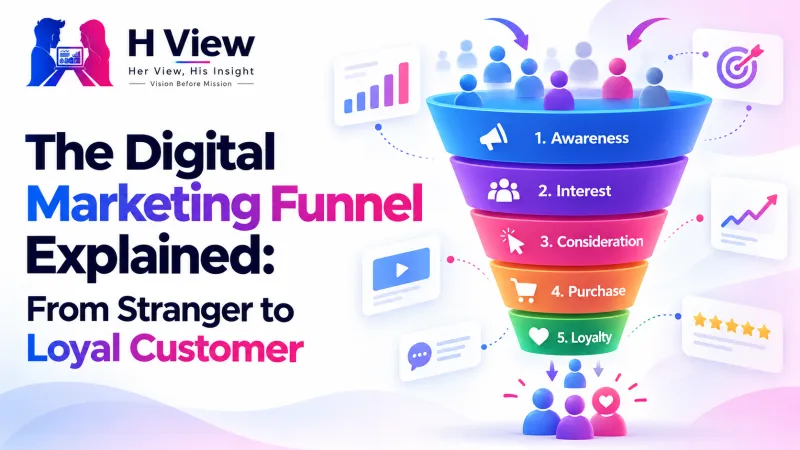 Also readThe Digital Marketing Funnel Explained: From Stranger to Loyal Customer→
ఒక్కో మార్కెటింగ్ మెట్రిక్ అర్థం ఏమిటి?
ఈ ప్రయాణాన్ని దశలుగా ఊహించుకోండి. మీ ప్రకటన కనిపిస్తుంది, కొందరు క్లిక్ చేస్తారు, వారిలో కొందరు ఎంక్వైరీ చేస్తారు లేదా కొంటారు, ఆ అమ్మకాల నుంచి డబ్బు వస్తుంది. ప్రతి మెట్రిక్ ఈ ప్రయాణంలోని ఒక దశను వివరిస్తుంది.
| మెట్రిక్ | పూర్తి పేరు | ఏం కొలుస్తుంది | సులభమైన ఫార్ములా |
|---|
| CTR | క్లిక్త్రూ రేట్ | ప్రకటన చూసినవాళ్లు ఎంత తరచుగా క్లిక్ చేశారు | క్లిక్లు ÷ ఇంప్రెషన్లు × 100 |
| CPC | కాస్ట్ పర్ క్లిక్ | సగటున ఒక్క క్లిక్కు మీరు ఎంత చెల్లించారు | మొత్తం ఖర్చు ÷ క్లిక్లు |
| CPM | ప్రతి వెయ్యి ఇంప్రెషన్లకు ఖర్చు | 1,000 సార్లు కనిపించడానికి అయిన ఖర్చు | మొత్తం ఖర్చు ÷ ఇంప్రెషన్లు × 1,000 |
| కన్వర్షన్ రేట్ | — | ఎన్ని క్లిక్లు మీరు కోరుకున్న చర్యగా మారాయి | కన్వర్షన్లు ÷ క్లిక్లు × 100 |
| CPA | కాస్ట్ పర్ యాక్షన్ (లేదా అక్విజిషన్) | ఒక్క ఎంక్వైరీ, సైన్-అప్ లేదా అమ్మకానికి అయిన ఖర్చు | మొత్తం ఖర్చు ÷ కన్వర్షన్లు |
| ROAS | రిటర్న్ ఆన్ యాడ్ స్పెండ్ | ప్రకటనపై ఖర్చు చేసిన ప్రతి రూపాయికి వచ్చిన అమ్మకాల విలువ | ప్రకటనల నుంచి అమ్మకాలు ÷ ప్రకటన ఖర్చు |
Google Ads కూడా ఇవే నిర్వచనాలు వాడుతుంది. దాని హెల్ప్ పేజీలు CTRను క్లిక్లు ÷ ఇంప్రెషన్లుగా, సగటు CPCని క్లిక్ల మొత్తం ఖర్చు ÷ క్లిక్లుగా, సగటు CPAను కన్వర్షన్ల మొత్తం ఖర్చు ÷ కన్వర్షన్ల సంఖ్యగా వివరిస్తాయి.
ఈ సంఖ్యలు ఒకదానికొకటి ఎలా ముడిపడి ఉంటాయి? ఒక రూపాయి ఉదాహరణ
ఇది వివరించడానికి ఇచ్చిన ఊహా ఉదాహరణ (నిజమైన క్యాంపెయిన్ డేటా కాదు). కేక్ ఆర్డర్ల కోసం చిన్న ప్రకటన నడుపుతున్న ఒక హోమ్ బేకరీ:
- ప్రకటన 10,000 సార్లు కనిపించింది (ఇంప్రెషన్లు).
- 200 మంది క్లిక్ చేశారు, కాబట్టి CTR = 200 ÷ 10,000 = 2%.
- బేకరీ ₹4,000 ఖర్చు చేసింది, కాబట్టి సగటు CPC = ₹4,000 ÷ 200 = ₹20.
- CPM = ₹4,000 ÷ 10,000 × 1,000 = ప్రతి వెయ్యి ఇంప్రెషన్లకు ₹400.
- 10 మంది ఆర్డర్ ఇచ్చారు, కాబట్టి కన్వర్షన్ రేట్ = 10 ÷ 200 = 5%, CPA = ₹4,000 ÷ 10 = ఒక్కో ఆర్డర్కు ₹400.
- ఆ ఆర్డర్ల విలువ ₹16,000, కాబట్టి ROAS = ₹16,000 ÷ ₹4,000 = 4 (తరచుగా 4:1 లేదా 400% అని రాస్తారు).
ఒక సంఖ్య తర్వాతి దానికి ఎలా దారి తీస్తుందో గమనించండి. ఎక్కువ CTR అదే ఇంప్రెషన్లతో ఎక్కువ విజిటర్లను తెస్తుంది. మెరుగైన వెబ్సైట్ లేదా ఆఫర్ కన్వర్షన్ రేట్ను పెంచుతుంది, దాంతో CPC అలాగే ఉన్నా CPA తగ్గుతుంది.
ROAS బాగున్నా నష్టం ఎందుకు రావొచ్చు?
ROAS అమ్మకాలను ప్రకటన ఖర్చుతో మాత్రమే పోలుస్తుంది. ముడిసరుకు, ప్యాకేజింగ్, డెలివరీ, సిబ్బంది, ప్లాట్ఫామ్ ఫీజుల ఖర్చును అది పట్టించుకోదు. మన బేకరీ ఉదాహరణలో, ప్రతి ఆర్డర్పై బేకరీకి సుమారు 25% స్థూల లాభం మిగులుతుందనుకోండి. అప్పుడు ₹16,000 అమ్మకాల నుంచి సుమారు ₹4,000 లాభం మిగులుతుంది, సరిగ్గా ప్రకటనలపై ఖర్చు చేసినంత. డాష్బోర్డ్లో 4 ROAS బాగానే కనిపిస్తుంది, కానీ క్యాంపెయిన్ కేవలం సమానంగా (బ్రేక్-ఈవెన్) నిలిచింది.
అందుకే ఏ రిపోర్ట్ చదివే ముందైనా మీ బ్రేక్-ఈవెన్ ROASను లెక్కించుకోవడం ఉపయోగకరం. సులభమైన మార్గం 1 ÷ మీ లాభ మార్జిన్. 25% మార్జిన్కు బ్రేక్-ఈవెన్ ROAS = 1 ÷ 0.25 = 4. 50% మార్జిన్కు అది 2. దీనికంటే ఎక్కువ ఉంటే సంపాదిస్తున్నట్టు; తక్కువ ఉంటే మీకు నష్టం.
చిన్న వ్యాపారం ముందుగా ఏ మెట్రిక్ చూడాలి?
అది క్యాంపెయిన్ ఉద్దేశంపై ఆధారపడి ఉంటుంది:
- గుర్తింపు (కొత్త షాప్, లాంచ్, పండగ ఆఫర్): CPM, రీచ్ చూడండి. Google CPM బిడ్డింగ్ను డిస్ప్లే నెట్వర్క్లో ప్రతి వెయ్యి వీక్షణలకు చెల్లించే పద్ధతిగా వివరిస్తుంది. క్లిక్ల కంటే కనిపించడమే లక్ష్యంగా ఉన్న క్యాంపెయిన్లకు ఇది సరిపోతుంది.
- ట్రాఫిక్ (ఒక పేజీకి జనాన్ని తీసుకురావడం): CTR, CPC కలిపి చూడండి.
- లీడ్లు లేదా అమ్మకాలు: కన్వర్షన్ రేట్, CPA చూడండి, తర్వాత ROASను మీ బ్రేక్-ఈవెన్ సంఖ్యతో పోల్చండి.
ఎంక్వైరీలు లేదా ఆర్డర్ల కోసం డబ్బు ఖర్చు చేస్తుంటే, CTR కంటే CPA, ROAS ఎక్కువ ముఖ్యం. ఎప్పటికీ కస్టమర్గా మారని చౌక క్లిక్ లాభదాయకమైన బేరం కాదు.
ఈ సంఖ్యలు ఏం చెప్పలేవు?
మెట్రిక్స్ ట్రాక్ అయినవాటిని మాత్రమే లెక్కిస్తాయి. మీ వెబ్సైట్ ఎంక్వైరీలు, WhatsApp సందేశాలు లేదా ఫోన్ కాల్లను కన్వర్షన్లుగా నమోదు చేయకపోతే, మీ CPA నిజం కంటే దారుణంగా కనిపిస్తుంది, లేదా అసలు కనిపించదు. చాలామంది భారతీయ కస్టమర్లు ప్రకటన చూశాక ఫామ్ నింపకుండా కాల్ చేస్తారు లేదా మెసేజ్ పంపుతారు. కాబట్టి మీ కస్టమర్లు నిజంగా చేసే చర్యలకు ట్రాకింగ్ ఏర్పాటు చేయండి.
మెట్రిక్స్ నాణ్యతను కూడా అంచనా వేయలేవు. మీ డెలివరీ ప్రాంతం బయటి వాళ్ల నుంచి వచ్చిన పది ఎంక్వైరీలు కూడా పది నిజమైన ఆర్డర్లలాగే లెక్కకొస్తాయి. నిజమైన సంభాషణల్లో మీ బృందం చూస్తున్నదానితో కలిపి సంఖ్యలను చదవండి.
Her View
ఏజెన్సీ లేదా ఫ్రీలాన్సర్ రిపోర్ట్ పంపినప్పుడు ఒక సూటి ప్రశ్న అడగండి: "ఒక్కో కస్టమర్ మాకు ఎంత ఖర్చయ్యారు, వాళ్లు ఎంత ఖర్చు చేశారు?" ఇది ఆకట్టుకునేలా కనిపించే క్లిక్ల నుంచి సంభాషణను మీ బిల్లులు కట్టే ఫలితం వైపు మళ్లిస్తుంది.
His Insight
మెట్రిక్స్ను ఒకే కాలవ్యవధికి, ఒకే క్యాంపెయిన్ లక్ష్యానికి పోల్చండి. సెర్చ్ ప్రకటన CTR, డిస్ప్లే ప్రకటన CTR పోల్చదగినవి కావు. పండగ సేల్ వారం సాధారణ వారంలా ప్రవర్తించదు. ఒకేలాంటి పోలికలు సంఖ్యలను నమ్మదగినవిగా చేస్తాయి.
తర్వాతి అడుగుల కోసం మా గైడ్లు చూడండి: డిజిటల్ మార్కెటింగ్ బడ్జెట్ ప్లానింగ్, కన్వర్ట్ చేసే ల్యాండింగ్ పేజీ తయారీ. ఎందుకంటే CPA తరచుగా ల్యాండింగ్ పేజీలోనే గెలుస్తారు లేదా ఓడిపోతారు.
తరచుగా అడిగే ప్రశ్నలు
మంచి CTR ఎంత?
ఒక్క మంచి సంఖ్య అంటూ లేదు. మీరు ఏం ప్రకటిస్తున్నారు, ఏ నెట్వర్క్లో అన్నదానిపై మంచి CTR ఆధారపడి ఉంటుందని Google చెబుతుంది. అదే రకమైన క్యాంపెయిన్లో మీ గత ఫలితాలతో మీ CTRను పోల్చండి.
CPC అంటే నేను వేసే బిడ్డేనా?
కాదు. మీ గరిష్ఠ CPC బిడ్ అంటే మీరు చెల్లించడానికి సిద్ధంగా ఉన్న అత్యధిక మొత్తం; సగటు CPC అంటే ఒక్కో క్లిక్కు మీరు నిజంగా చెల్లించింది, అది సాధారణంగా తక్కువగా ఉంటుంది.
ROAS, ROI మధ్య తేడా ఏమిటి?
ROAS అమ్మకాలను ప్రకటన ఖర్చుతో మాత్రమే పోలుస్తుంది. ROI (రిటర్న్ ఆన్ ఇన్వెస్ట్మెంట్) లాభాన్ని సరుకులు, సిబ్బంది, టూల్స్తో సహా అన్ని ఖర్చులతో పోలుస్తుంది. కాబట్టి మార్కెటింగ్ లాభదాయకమో కాదో అది మరింత పూర్తిగా చూపిస్తుంది.
ఎంక్వైరీల కోసం ఏ మెట్రిక్ అత్యంత ముఖ్యం?
ఒక్కో ఎంక్వైరీకి అయ్యే ఖర్చు (CPA) అత్యంత ముఖ్యం. తర్వాత, ఆ ఎంక్వైరీల్లో ఎన్ని చెల్లించే కస్టమర్లుగా మారుతున్నాయన్నది. ముందుగా ఎంక్వైరీలు కన్వర్షన్లుగా ట్రాక్ అవుతున్నాయో నిర్ధారించుకోండి.
ఆధారాలు











Comments0
No comments yet. Start the conversation.