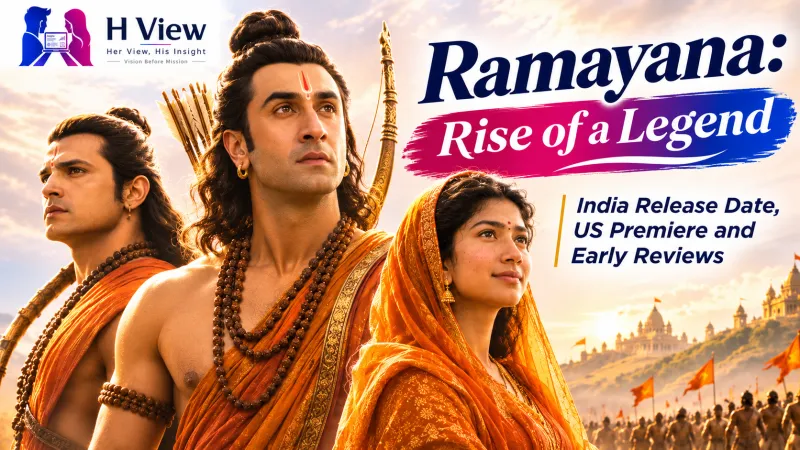
Updated 3 November 2026: The Ramayana India release date is 5 November 2026: Ranbir Kapoor’s Ramayana: Rise of a Legend opens in Indian and international cinemas that day, after a Los Angeles premiere on 27 October. Early reviews from that premiere are mixed.
Some viewers praised the scale, visuals and performances, while several critics questioned the pacing, visual effects and how much story the first instalment tries to carry. The film has not yet had its general theatrical opening, so these early reviews are a preview of the debate, not the final audience verdict.
That distinction matters for a film carrying both cinematic ambition and the weight of a story that millions know through faith, literature, theatre and television. The practical question for audiences is not simply whether Ramayana looks large on screen. It is whether the scale helps viewers connect with Rama, Sita and Ravana, and whether this first part feels like a satisfying film while setting up the next chapter.
When does Ramayana release in India and the United States?
The makers have announced a worldwide theatrical release on 5 November 2026. The production company lists Hindi, Tamil, Telugu, Kannada, Malayalam and English versions. This means the India release is also set for 5 November, while US audiences can check local cinema listings for their nearest showtime and available language or premium-format options. The film’s Los Angeles premiere took place earlier, on 27 October, at the David Geffen Theatre inside the Academy Museum of Motion Pictures; that invitation-led event was not the general public opening.
Reports have also mentioned early previews in some markets on 4 November. Since preview schedules can differ by cinema, the safest approach is to check the official ticketing page or the theatre directly rather than treating a premiere or advance screening as the release date. The production company’s Los Angeles premiere announcement and the official film website both identify 5 November as the worldwide theatrical date.
Who is in the film, and what story does Part One tell?
Nitesh Tiwari directs the film, with Namit Malhotra producing through Prime Focus Studios. Ranbir Kapoor plays Rama, Sai Pallavi plays Sita and Yash portrays Ravana. Ravi Dubey is Lakshman and Sunny Deol is Hanuman. DNEG and Monster Mind Creations are among the production partners, while Hans Zimmer and A.R. Rahman are credited for the music. The film is planned as a two-part adaptation, so this instalment introduces the world and characters before the larger story continues.
The official synopsis frames the central conflict through Rama, a prince shaped by sacrifice, and Ravana, a powerful king driven by vengeance. That gives a newcomer a simple starting point, but the epic’s meaning is much broader than a contest between two powerful figures. Duty, loyalty, restraint, exile, family, power and the consequences of choices all shape how audiences understand the characters. The adaptation therefore has to make its dramatic choices legible without assuming every viewer arrives with the same familiarity or interpretation of the source.
What did critics and premiere audiences think?
The response so far is mixed rather than a clear sweep in either direction. People who shared reactions after the Los Angeles premiere often highlighted the film’s ambition, large-scale images and lead performances. Some praised Kapoor’s portrayal of Rama and Yash’s screen presence as Ravana. Other early viewers felt that the spectacle sometimes overshadowed the emotional movement of the story. These reactions came from a special screening and represent individual opinions, not a poll of general audiences.
As of 3 November 2026, published international reviews remain divided. IndieWire awarded the film a B and Screen Rant rated it 7/10, recognising its scale and technical craft. Next Best Picture gave it 5/10 and questioned the crowded narrative and pacing. IGN rated it 4/10, criticising the action, visual effects and English lip-sync. Culture Mix said the effects and star cast may dazzle but criticised the acting and dialogue; NYC Movie Guru praised the set and costume design while questioning the film’s length and emotional impact. These are critics’ assessments of early screenings, not a poll of ticket-buying audiences. Several reviews discuss the English-dubbed cut, so readers should check which version was screened before generalising. See the Rotten Tomatoes review listing, Culture Mix review, IGN review, Next Best Picture review and Hindustan Times coverage for context.
| What some early reviews liked | What some reviewers questioned |
|---|
| Ambitious visual scale and production design | Pacing and the density of the story |
| Ranbir Kapoor and Yash’s performances in several reactions | Whether the characters’ emotional journeys get enough room |
| Action, music and the big-screen presentation for some viewers | Visual effects and parts of the English-dubbed presentation |
Those are broad themes in the first wave of coverage, not a scorecard that settles the film’s value. For example, one critic can admire a film’s craftsmanship and still feel that its narrative is too compressed; another viewer can be swept up by the spectacle even while noticing uneven scenes. Readers should look at the reason behind a rating and the version reviewed, not only the number attached to it.
Why the English version matters when reading reviews
At least some international critics have said they watched the English-dubbed version rather than the original Hindi-language version with subtitles. Next Best Picture states that its review experience was with the English dub. This is important context when comments focus on dialogue, lip-syncing or how a performance lands. A dub can alter timing and vocal texture, although it does not explain every criticism of pacing, effects or story structure.
It would be unfair to dismiss those reviews simply because of the language version; international audiences are part of the film’s intended reach. It is equally important not to assume that every issue identified in one version will be experienced identically by every audience. Viewers choosing a screening should check which version is being shown and make their own choice between the original language with subtitles and an English-language presentation.
What are expectations from the movie?
Expectations are high for three connected reasons. First, the Ramayana is not an unfamiliar fictional property that can be freely detached from its cultural setting. Many viewers have personal, devotional or family connections to the epic, and they will notice how the film treats its characters and values. Second, the cast and production have been presented on a global scale, so audiences expect the film to match its marketing ambition with memorable storytelling. Third, the two-part format creates a challenge: Part One must establish a world and build anticipation without feeling like an extended trailer for the sequel.
For audiences new to the story, clarity will matter. A film can introduce unfamiliar names and relationships without flattening them, provided it gives people enough time to understand why each decision matters. For viewers who already know the epic, the challenge is different: the adaptation needs a point of view, yet should treat its source with care. The strongest response would be a film that can welcome newcomers while giving longtime readers and viewers something thoughtful to discuss.
International reach is another expectation, but it should not be measured only by premiere photographs or advance-ticket headlines. A successful global release would mean that people in different markets can follow the emotional stakes, understand the film’s cultural context and want to keep talking about it after the screening. Box-office results will be one measure of reach; audience engagement, repeat viewing and the quality of the conversation around the adaptation will tell a different part of the story.
HView perspective: let the story carry the spectacle
A film about the Ramayana can be visually ambitious and still be judged by the basics of cinema: do characters feel human, do their decisions matter, and does each sequence move the story forward? Large sets, effects and music can help build a world, but they cannot substitute for dramatic clarity. The question raised by the mixed early response is whether the film balances these elements, not whether a mythological epic should be made at scale.
Because the story is revered by many people, discussion should also distinguish criticism of filmmaking from criticism of faith or tradition. Viewers can debate editing, dialogue, effects and characterisation without treating any single adaptation as the final authority on the epic. That distinction allows a more respectful conversation and gives the film room to be assessed as an interpretation created by specific artists.
Her View
Sita’s presence is central to the emotional meaning of the story, so audiences will be watching whether the film gives her more than a symbolic place in the plot. Sai Pallavi’s performance will be judged not only by costume or screen presence, but by how clearly the character’s agency, strength and inner life come through. That is an expectation, not a claim about what the final film achieves; viewers can judge it after watching the release version.
His Insight
Rama is often understood through restraint, duty and difficult choices, which can be harder to dramatise than anger or action. Ranbir Kapoor’s task is to make that composure emotionally readable without turning the character into a distant symbol. Whether the film succeeds may depend on quiet scenes and relationships as much as on the large action moments highlighted in its promotion.
HView Verdict: the first reviews raise useful questions
Before release, the fairest description of Ramayana: Rise of a Legend is a highly anticipated, visually ambitious adaptation with a divided early critical response. Praise has focused on scale, spectacle and some performances; criticism has focused on story density, pacing, emotional depth and elements of the visual or dubbed presentation. The available reviews offer useful questions for audiences, but they do not settle how Indian viewers or the wider public will respond.
The film is scheduled to open in India and worldwide on 5 November 2026. Once the public release begins, the most valuable assessment will come from watching the film in the version each audience chooses and considering whether its production ambition serves the story. Until then, expectations should stay open: the premiere has created interest, but the theatrical audience will provide the broader verdict.
Frequently asked questions
When will Ramayana: Rise of a Legend release in India?
It is scheduled to release in Indian cinemas on 5 November 2026. The production company lists Hindi, Tamil, Telugu, Kannada, Malayalam and English versions.
Has the film already opened in US cinemas?
No general opening had taken place as of 3 November. The Los Angeles premiere was held on 27 October, and the official worldwide theatrical release is listed for 5 November. Local showtimes and any previews can vary by cinema.
Were the Los Angeles reactions positive or negative?
They were mixed. Some premiere attendees praised the spectacle and performances, while others said the visuals sometimes outweighed the emotional storytelling. Those were individual early reactions, not a complete audience verdict.
What do the first critics’ reviews say?
Early international reviews range from praise for the visual ambition to criticism of pacing, narrative density and aspects of the effects or English-dubbed presentation. Screen Rant rated the film 7/10, while Next Best Picture gave it 5/10, illustrating the difference in response.
Who plays Rama, Sita and Ravana?
Ranbir Kapoor plays Rama, Sai Pallavi plays Sita and Yash plays Ravana. Nitesh Tiwari directs the film, which is planned as the first part of a two-part adaptation.
Should viewers treat early reviews as the final verdict?
No. The first reviews came from a limited set of critics and premiere attendees, and some critics watched an English-dubbed version. Wider audience responses after the theatrical release will provide a fuller picture.
संपादकीय अपडेट: 3 नवंबर 2026। रणबीर कपूर अभिनीत रामायण: राइज़ ऑफ़ अ लेजेंड की भारत और दुनिया भर में सिनेमाघरों में रिलीज़ 5 नवंबर 2026 के लिए घोषित है। 27 अक्टूबर को लॉस एंजेलिस में हुए विशेष प्रीमियर के बाद शुरुआती प्रतिक्रियाएँ मिली-जुली हैं: कुछ दर्शकों ने बड़े पैमाने, दृश्य और अभिनय की तारीफ़ की, जबकि कुछ समीक्षकों ने कहानी की गति, भावनात्मक गहराई और दृश्य प्रभावों पर सवाल उठाए। आम दर्शकों की थिएटर रिलीज़ अभी नहीं हुई है, इसलिए इन प्रतिक्रियाओं को शुरुआती राय समझें, अंतिम फैसला नहीं।
यह फिल्म ऐसी कथा को बड़े पर्दे पर ला रही है जिसे लोग आस्था, साहित्य, रंगमंच और टेलीविज़न के ज़रिए अलग-अलग ढंग से जानते हैं। इसलिए सवाल केवल यह नहीं कि फिल्म कितनी भव्य दिखती है; सवाल यह भी है कि क्या यह भव्यता राम, सीता और रावण के संघर्ष को दर्शक के लिए अर्थपूर्ण बनाती है और क्या पहला भाग अपने आप में संतोषजनक कहानी देता है।
भारत और अमेरिका में फिल्म कब रिलीज़ होगी?
निर्माताओं ने दुनिया भर में थिएटर रिलीज़ की तारीख 5 नवंबर 2026 बताई है। प्रोडक्शन कंपनी के अनुसार फिल्म हिंदी, तमिल, तेलुगु, कन्नड़, मलयालम और अंग्रेज़ी में उपलब्ध होगी। भारत में भी घोषित रिलीज़ तारीख 5 नवंबर है। अमेरिका में दर्शक अपने शहर के सिनेमाघरों की सूची देखकर शो और भाषा/प्रीमियम स्क्रीनिंग की उपलब्धता जाँचें।
लॉस एंजेलिस प्रीमियर 27 अक्टूबर को Academy Museum of Motion Pictures के David Geffen Theater में हुआ था। यह आम टिकटधारकों के लिए नियमित रिलीज़ नहीं थी। कुछ बाज़ारों में 4 नवंबर के प्रीव्यू शो की खबरें भी आई हैं, लेकिन समय सिनेमाघर के अनुसार बदल सकता है। टिकट बुक करने से पहले थिएटर या आधिकारिक टिकटिंग पेज पर तारीख पक्की करें। Prime Focus Studios की प्रीमियर घोषणा और फिल्म की आधिकारिक वेबसाइट 5 नवंबर की वैश्विक रिलीज़ बताती हैं।
फिल्म कौन बना रहा है और पहले भाग में क्या कहानी है?
निर्देशक नितेश तिवारी हैं और नमित मल्होत्रा Prime Focus Studios के तहत निर्माता हैं। रणबीर कपूर राम, साई पल्लवी सीता और यश रावण की भूमिका में हैं। रवि दुबे लक्ष्मण और सनी देओल हनुमान की भूमिका निभाते हैं। DNEG और Monster Mind Creations निर्माण साझेदारों में हैं; संगीत के लिए हंस ज़िमर और ए.आर. रहमान के नाम दिए गए हैं। इसे दो भागों में बनाई जा रही कथा के पहले अध्याय के रूप में पेश किया गया है।
आधिकारिक परिचय राम को त्याग से गढ़े राजकुमार और रावण को प्रतिशोध से प्रेरित शक्तिशाली राजा के रूप में रखता है। लेकिन रामायण केवल दो शक्तिशाली पात्रों की भिड़ंत नहीं है। कर्तव्य, निष्ठा, संयम, वनवास, परिवार, सत्ता और निर्णयों के परिणाम भी कथा की समझ बनाते हैं। फिल्म को इन विषयों को साफ़ और संवेदनशील ढंग से सामने रखना होगा, क्योंकि हर दर्शक एक ही धार्मिक, साहित्यिक या सांस्कृतिक दृष्टि लेकर थिएटर नहीं आएगा।
लॉस एंजेलिस प्रीमियर और शुरुआती समीक्षाओं में क्या कहा गया?
अभी तक की प्रतिक्रिया एकतरफ़ा प्रशंसा या निंदा नहीं है। प्रीमियर के बाद कई लोगों ने फिल्म की महत्वाकांक्षा, बड़े दृश्य-पटल और मुख्य कलाकारों की मौजूदगी की तारीफ़ की। कुछ शुरुआती प्रतिक्रियाओं में कपूर के राम और यश के रावण को प्रभावशाली बताया गया। दूसरी ओर, कुछ दर्शकों को लगा कि दृश्य वैभव कभी-कभी कहानी की भावनात्मक गति पर भारी पड़ता है। ये विशेष स्क्रीनिंग के बाद व्यक्त की गई व्यक्तिगत राय हैं, सामान्य दर्शकों का सर्वेक्षण नहीं।
3 नवंबर 2026 तक प्रकाशित अंतरराष्ट्रीय समीक्षाएँ मिली-जुली हैं। IndieWire ने फिल्म को B दिया और Screen Rant ने 10 में से 7 अंक दिए; दोनों ने इसके पैमाने या तकनीकी पक्ष को पहचाना। Next Best Picture ने 5/10 देते हुए कहानी के भीड़भाड़ वाले एहसास और गति पर सवाल उठाए। IGN ने 4/10 दिए और एक्शन, दृश्य प्रभावों तथा अंग्रेज़ी डब के होंठों के तालमेल की आलोचना की। Culture Mix ने कहा कि दृश्य प्रभाव और सितारे प्रभावित कर सकते हैं, लेकिन अभिनय और संवाद पर आपत्ति जताई। NYC Movie Guru ने सेट और वेशभूषा की तारीफ़ के साथ फिल्म की लंबाई और भावनात्मक असर पर सवाल उठाए। ये विशेष शुरुआती स्क्रीनिंग की आलोचकों की राय है, टिकट खरीदने वाले आम दर्शकों का सर्वेक्षण नहीं। कई समीक्षाएँ अंग्रेज़ी डब वाले संस्करण पर हैं; इसलिए पढ़ें कि समीक्षक ने कौन-सा संस्करण देखा। Rotten Tomatoes की समीक्षा सूची, Culture Mix की समीक्षा, IGN की समीक्षा, Next Best Picture की समीक्षा और Hindustan Times की रिपोर्ट देखें।
| कुछ शुरुआती समीक्षकों को क्या पसंद आया | कुछ ने किस बात पर सवाल उठाया |
|---|
| बड़े पैमाने की कल्पना और प्रोडक्शन डिज़ाइन | कहानी की गति और बहुत-सी घटनाओं का दबाव |
| कुछ प्रतिक्रियाओं में रणबीर कपूर और यश का अभिनय | पात्रों की भावनात्मक यात्रा को पर्याप्त समय मिलता है या नहीं |
| एक्शन, संगीत और बड़े पर्दे का अनुभव | दृश्य प्रभाव और अंग्रेज़ी डब के कुछ पहलू |
यह शुरुआती कवरेज में दिखने वाले मुद्दों का सार है, फिल्म के मूल्य पर अंतिम फैसला नहीं। कोई समीक्षक तकनीकी उपलब्धि की प्रशंसा करते हुए भी कहानी को संक्षिप्त या उलझा हुआ मान सकता है; कोई दर्शक दृश्य वैभव से प्रभावित होकर भी कुछ कमजोर दृश्यों को नोट कर सकता है। केवल अंक देखने के बजाय समीक्षा का कारण और समीक्षक ने कौन-सा संस्करण देखा, यह भी पढ़ें।
अंग्रेज़ी डब के संदर्भ को समझना क्यों ज़रूरी है?
कुछ अंतरराष्ट्रीय समीक्षकों ने बताया कि उन्होंने मूल हिंदी के बजाय अंग्रेज़ी डब देखा। Next Best Picture ने अपनी समीक्षा में अंग्रेज़ी डब देखने की बात कही है। संवाद, होंठों के तालमेल और अभिनय की आवाज़ पर टिप्पणी पढ़ते समय यह संदर्भ उपयोगी है, क्योंकि डब से संवाद की लय और आवाज़ का असर बदल सकता है। हालांकि इससे कहानी की गति, दृश्य प्रभाव या संरचना से जुड़ी हर आलोचना अपने-आप स्पष्ट नहीं हो जाती।
फिल्म से दर्शकों की उम्मीदें क्या हैं?
फिल्म के सामने दो बड़ी अपेक्षाएँ हैं। पहली, रामायण के परिचित प्रसंगों को नए दर्शकों के लिए साफ़ और आकर्षक बनाना; दूसरी, उन दर्शकों का भरोसा बनाए रखना जिनके लिए यह कथा श्रद्धा और सांस्कृतिक स्मृति से जुड़ी है। भव्य दृश्य तभी असरदार होंगे जब उनके पीछे पात्रों के निर्णय, रिश्ते और भावनाएँ भी समझ में आएँ। दो-भाग वाली योजना में पहले भाग को दुनिया और पात्रों की नींव रखते हुए अपना नाटकीय संतोष भी देना होगा।
5 नवंबर के बाद उपयोगी कसौटी यह होगी: क्या दर्शक कहानी समझ पाए, क्या प्रमुख पात्रों के निर्णय विश्वसनीय लगे, क्या तकनीकी प्रस्तुति ने भावनाओं को सहारा दिया, और क्या अंत ने अगले भाग के लिए स्वाभाविक जिज्ञासा जगाई? भारत की अलग-अलग भाषाओं में रिलीज़ होने से डब और मूल भाषा के अनुभवों की तुलना भी चर्चा का हिस्सा बनेगी। शुरुआती प्रीमियर राय से सामान्य दर्शकों की प्रतिक्रिया का अनुमान लगाना जल्दबाज़ी होगी।
H View का दृष्टिकोण: कहानी को दृश्य वैभव के साथ चलना चाहिए
रामायण पर बनी फिल्म दृश्य रूप से भव्य हो सकती है, फिर भी उसे सिनेमा की बुनियादी कसौटियों पर परखना चाहिए: क्या पात्र जीवंत लगते हैं, क्या उनके निर्णय मायने रखते हैं और क्या हर दृश्य कहानी को आगे बढ़ाता है? बड़े सेट, प्रभाव और संगीत दुनिया रच सकते हैं, पर वे नाटकीय स्पष्टता की जगह नहीं ले सकते। शुरुआती मिली-जुली प्रतिक्रिया का अहम सवाल यही है कि फिल्म इन तत्वों में संतुलन बना पाती है या नहीं।
कई लोगों के लिए यह कथा श्रद्धा और सम्मान से जुड़ी है। इसलिए फिल्म निर्माण की आलोचना को आस्था या परंपरा की आलोचना नहीं समझना चाहिए। दर्शक संपादन, संवाद, प्रभावों और चरित्र-चित्रण पर चर्चा कर सकते हैं, बिना किसी एक रूपांतरण को महाकाव्य का अंतिम मानक माने। इससे बातचीत अधिक सम्मानजनक रहती है और फिल्म को कलाकारों की एक व्याख्या के रूप में परखने की जगह मिलती है।
सीता की भूमिका पर एक नज़र
सीता कहानी के भावनात्मक अर्थ के केंद्र में हैं। दर्शक देखेंगे कि फिल्म उन्हें केवल प्रतीकात्मक स्थान देती है या उनकी स्वतंत्र इच्छा, शक्ति और आंतरिक जीवन भी दिखाती है। साई पल्लवी के अभिनय को केवल वेशभूषा या स्क्रीन उपस्थिति से नहीं, बल्कि इस बात से आँका जाएगा कि चरित्र की agency और भावनाएँ कितनी स्पष्ट हैं। यह रिलीज़ से पहले की अपेक्षा है, फिल्म के परिणाम पर दावा नहीं; दर्शक रिलीज़ संस्करण देखकर अपना मत बना सकते हैं।
राम के चरित्र की चुनौती
राम को अक्सर संयम, कर्तव्य और कठिन निर्णयों के ज़रिए समझा जाता है। क्रोध या एक्शन की तुलना में इन गुणों को नाटकीय रूप देना कठिन हो सकता है। रणबीर कपूर के सामने चुनौती है कि वे इस संयम को भावनात्मक रूप से समझने योग्य बनाएँ, बिना चरित्र को दूरस्थ प्रतीक में बदलें। फिल्म की सफलता शांत दृश्यों और रिश्तों पर भी निर्भर हो सकती है, उतनी ही जितनी प्रचार में दिखाए गए बड़े एक्शन दृश्यों पर।
H View का निष्कर्ष: शुरुआती समीक्षाएँ उपयोगी सवाल उठाती हैं
रिलीज़ से पहले रामायण: राइज़ ऑफ़ अ लेजेंड को अत्यधिक प्रतीक्षित, दृश्य महत्वाकांक्षा वाली फिल्म कहना उचित है, जिसकी शुरुआती आलोचनात्मक प्रतिक्रिया बंटी हुई है। प्रशंसा पैमाने, दृश्य वैभव और कुछ अभिनय पर केंद्रित है; आलोचना कहानी की भीड़, गति, भावनात्मक गहराई तथा दृश्य प्रभावों या डब संस्करण के कुछ पहलुओं पर है। ये समीक्षाएँ दर्शकों के लिए उपयोगी सवाल देती हैं, लेकिन भारतीय या वैश्विक दर्शकों का फैसला तय नहीं करतीं।
भारत और दुनिया भर में फिल्म 5 नवंबर 2026 को रिलीज़ होने वाली है। सार्वजनिक रिलीज़ के बाद दर्शक अपने चुने हुए भाषा संस्करण में फिल्म देखकर तय कर सकेंगे कि निर्माण का महत्वाकांक्षी पैमाना कहानी की सेवा करता है या नहीं। तब तक खुला मन रखना बेहतर है: प्रीमियर ने रुचि जगाई है, व्यापक फैसला थिएटर दर्शकों से आएगा।
अक्सर पूछे जाने वाले सवाल
रामायण: राइज़ ऑफ़ अ लेजेंड भारत में कब रिलीज़ होगी?
निर्माताओं के अनुसार भारत और दुनिया भर में सिनेमाघर रिलीज़ 5 नवंबर 2026 को है। हिंदी, तमिल, तेलुगु, कन्नड़, मलयालम और अंग्रेज़ी संस्करण बताए गए हैं; अपने शहर के शो का समय थिएटर से जाँचें।
क्या फिल्म अमेरिका के सिनेमाघरों में रिलीज़ हो चुकी है?
3 नवंबर तक आम रिलीज़ नहीं हुई थी। लॉस एंजेलिस का विशेष प्रीमियर 27 अक्टूबर को हुआ; वैश्विक थिएटर रिलीज़ 5 नवंबर के लिए घोषित है। स्थानीय शो और प्रीव्यू थिएटर के अनुसार बदल सकते हैं।
लॉस एंजेलिस की प्रतिक्रियाएँ सकारात्मक थीं या नकारात्मक?
मिली-जुली थीं। कुछ उपस्थित लोगों ने दृश्य वैभव और अभिनय की तारीफ़ की, जबकि कुछ को लगा कि भावनात्मक कहानी की तुलना में दृश्य प्रभाव अधिक हावी रहे। ये शुरुआती व्यक्तिगत प्रतिक्रियाएँ थीं, व्यापक दर्शक फैसला नहीं।
पहली समीक्षाएँ क्या कहती हैं?
समीक्षाएँ दृश्य महत्वाकांक्षा की प्रशंसा से लेकर गति, कहानी के घनत्व और प्रभावों या अंग्रेज़ी डब पर आलोचना तक फैली हैं। Screen Rant ने 7/10 और Next Best Picture ने 5/10 दिया; IGN ने 4/10 दिया।
राम, सीता और रावण की भूमिका कौन निभा रहा है?
रणबीर कपूर राम, साई पल्लवी सीता और यश रावण की भूमिका में हैं। नितेश तिवारी निर्देशक हैं और फिल्म दो भागों वाली रूपांतरण योजना का पहला भाग है।
क्या शुरुआती समीक्षाओं को अंतिम फैसला मानना चाहिए?
नहीं। शुरुआती समीक्षाएँ सीमित आलोचकों और प्रीमियर दर्शकों की हैं; कुछ ने अंग्रेज़ी डब वाला संस्करण देखा। थिएटर रिलीज़ के बाद व्यापक दर्शक प्रतिक्रिया से पूरी तस्वीर मिलेगी।
रामायण: राइज़ ऑफ़ अ लेजेंड भारत में कब रिलीज़ होगी?
निर्माताओं के अनुसार भारत और वैश्विक थिएटर रिलीज़ 5 नवंबर 2026 को है। अपने शहर के शो का समय सिनेमाघर से जाँचें।
क्या लॉस एंजेलिस प्रीमियर आम रिलीज़ था?
नहीं। 27 अक्टूबर का कार्यक्रम विशेष प्रीमियर था। आम सिनेमाघर रिलीज़ की घोषित तारीख 5 नवंबर है।
क्या शुरुआती समीक्षाएँ सकारात्मक हैं?
मिली-जुली हैं। कुछ ने दृश्य पैमाने और कलाकारों की तारीफ़ की, जबकि अन्य ने गति, कहानी के घनत्व और कुछ तकनीकी/भावनात्मक पहलुओं पर चिंता जताई।
फिल्म किन भाषाओं में उपलब्ध होगी?
प्रोडक्शन कंपनी ने हिंदी, तमिल, तेलुगु, कन्नड़, मलयालम और अंग्रेज़ी संस्करणों की जानकारी दी है। स्थानीय शो की उपलब्धता थिएटर से जाँचें।
क्या अभी इसे दर्शकों की अंतिम राय माना जा सकता है?
नहीं। आम रिलीज़ 5 नवंबर को है। प्रीमियर की राय और शुरुआती समीक्षाएँ सीमित शुरुआती प्रतिक्रियाएँ हैं, अंतिम जनमत नहीं।
स्रोत और हमारी संपादकीय सावधानी
यह 3 नवंबर 2026 तक उपलब्ध निर्माताओं की जानकारी और प्रकाशित शुरुआती समीक्षाओं पर आधारित डेस्क-रिसर्च लेख है। प्रीमियर प्रतिक्रियाओं को व्यक्तिगत राय के रूप में और समीक्षाओं को आलोचकों के दृष्टिकोण के रूप में पेश किया गया है। रिलीज़ शेड्यूल और स्थानीय शो बदल सकते हैं। यह लेख आम दर्शकों की रिलीज़-पश्चात प्रतिक्रिया उपलब्ध होने पर अपडेट किया जाना चाहिए।
H View की समझ: रामायण का सिनेमाई रूपांकन केवल दृश्य आकार से नहीं, बल्कि कथा के प्रति स्पष्टता, संवेदनशीलता और पात्रों की भावनात्मक सच्चाई से भी आँका जाना चाहिए।
సంపాదకీయ నవీకరణ: 3 నవంబర్ 2026. రణబీర్ కపూర్ నటించిన రామాయణ: రైజ్ ఆఫ్ ఎ లెజెండ్ భారతదేశంలోనూ, ప్రపంచవ్యాప్తంగా థియేటర్లలోనూ 5 నవంబర్ 2026న విడుదల కావాలని ప్రకటించారు. అక్టోబర్ 27న లాస్ ఏంజెలెస్లో జరిగిన ప్రత్యేక ప్రీమియర్ తర్వాత వచ్చిన తొలి స్పందనలు మిశ్రమంగా ఉన్నాయి. కొందరు భారీ నిర్మాణం, దృశ్యాలు, నటనను ప్రశంసిస్తే, మరికొందరు కథనం వేగం, భావోద్వేగ లోతు, విజువల్ ఎఫెక్ట్స్పై సందేహాలు వ్యక్తం చేశారు. సాధారణ ప్రేక్షకుల కోసం థియేటర్ విడుదల ఇంకా జరగలేదు; కాబట్టి ఇవి తొలి అభిప్రాయాలు మాత్రమే, తుది ప్రేక్షక తీర్పు కాదు.
ఈ సినిమా విశ్వాసం, సాహిత్యం, రంగస్థలం, టెలివిజన్ ద్వారా కోట్ల మందికి పరిచయమైన కథను పెద్ద తెరపైకి తీసుకొస్తోంది. అందువల్ల ప్రశ్న కేవలం సినిమా ఎంత వైభవంగా కనిపిస్తుందన్నది కాదు. ఆ వైభవం రాముడు, సీత, రావణుడి కథను ప్రేక్షకులకు భావపూర్వకంగా చేరుస్తుందా? మొదటి భాగం తదుపరి అధ్యాయానికి దారి వేస్తూనే స్వతంత్రంగా సంతృప్తినిస్తుందా? అన్నది కూడా ముఖ్యం.
భారత్, అమెరికాలో సినిమా ఎప్పుడు విడుదలవుతుంది?
నిర్మాతలు ప్రపంచవ్యాప్త థియేటర్ విడుదల తేదీగా 5 నవంబర్ 2026ను ప్రకటించారు. నిర్మాణ సంస్థ సమాచారం ప్రకారం సినిమా హిందీ, తమిళం, తెలుగు, కన్నడ, మలయాళం, ఇంగ్లీష్ భాషల్లో అందుబాటులో ఉంటుంది. భారతదేశంలో కూడా ప్రకటించిన తేదీ నవంబర్ 5. అమెరికాలోని ప్రేక్షకులు తమ నగరంలోని థియేటర్ జాబితా చూసి షో సమయాలు, భాషలు, ప్రీమియం ఫార్మాట్లు అందుబాటులో ఉన్నాయో నిర్ధారించుకోవాలి.
లాస్ ఏంజెలెస్ ప్రీమియర్ అక్టోబర్ 27న Academy Museum of Motion Pictures లోని David Geffen Theaterలో జరిగింది. అది సాధారణ ప్రేక్షకుల కోసం జరిగిన రెగ్యులర్ విడుదల కాదు. కొన్ని మార్కెట్లలో నవంబర్ 4న ప్రివ్యూ షోల గురించి వార్తలు వచ్చినా, వాటి సమయాలు థియేటర్ను బట్టి మారవచ్చు. టికెట్ కొనుగోలు చేసే ముందు అధికారిక టికెటింగ్ పేజీ లేదా స్థానిక థియేటర్ ద్వారా ధృవీకరించండి. Prime Focus Studios ప్రీమియర్ ప్రకటన, అధికారిక సినిమా వెబ్సైట్ రెండూ నవంబర్ 5ని ప్రపంచవ్యాప్త విడుదల తేదీగా పేర్కొంటున్నాయి.
సినిమా వెనుక ఉన్న బృందం ఎవరు? మొదటి భాగం దేనిపై ఉంటుంది?
నితేశ్ తివారీ దర్శకుడు; నమిత్ మల్హోత్రా Prime Focus Studios తరఫున నిర్మాత. రణబీర్ కపూర్ రాముడిగా, సాయి పల్లవి సీతగా, యశ్ రావణుడిగా నటిస్తున్నారు. రవి దూబే లక్ష్మణుడి పాత్రలో, సన్నీ డియోల్ హనుమంతుడి పాత్రలో కనిపిస్తారు. DNEG, Monster Mind Creations నిర్మాణ భాగస్వాముల్లో ఉన్నాయి. సంగీతానికి హాన్స్ జిమ్మర్, ఏ.ఆర్. రెహమాన్ పేర్లు ప్రకటించారు. ఈ కథను రెండు భాగాలుగా రూపొందిస్తున్నారు; మొదటి భాగం ప్రపంచాన్ని, ప్రధాన పాత్రలను పరిచయం చేస్తుంది.
అధికారిక పరిచయం త్యాగంతో ఎదిగిన యువరాజుగా రాముడిని, ప్రతీకార భావంతో నడిచే శక్తిమంతమైన రాజుగా రావణుడిని చూపిస్తుంది. అయితే రామాయణం ఇద్దరు శక్తివంతుల మధ్య పోరాటం మాత్రమే కాదు. ధర్మం, నిబద్ధత, సంయమనం, వనవాసం, కుటుంబం, అధికార వినియోగం, నిర్ణయాల పరిణామాలు కూడా కథను అర్థం చేసుకునే విధానాన్ని ప్రభావితం చేస్తాయి. ఈ అంశాలను స్పష్టంగా, సున్నితంగా చూపించడం అవసరం; ఎందుకంటే ప్రేక్షకులందరూ ఒకే మతపరమైన, సాహిత్యపరమైన లేదా సాంస్కృతిక దృక్కోణంతో థియేటర్కు రారు.
లాస్ ఏంజెలెస్ ప్రీమియర్, తొలి సమీక్షలు ఏమంటున్నాయి?
ఇప్పటివరకు వచ్చిన స్పందన పూర్తిగా అనుకూలం గానీ, ప్రతికూలం గానీ లేదు. ప్రీమియర్ తర్వాత కొందరు సినిమా ఆశయం, భారీ దృశ్యాలు, ప్రధాన నటుల తెరపై ఉనికిని ప్రశంసించారు. రాముడిగా కపూర్, రావణుడిగా యశ్ ఆకట్టుకున్నారని కొన్ని తొలి స్పందనలు పేర్కొన్నాయి. మరోవైపు, దృశ్య వైభవం కొన్ని సందర్భాల్లో కథ భావోద్వేగ ప్రవాహాన్ని మించిపోయిందని కొందరు భావించారు. ఇవి ప్రత్యేక ప్రదర్శన తర్వాత వ్యక్తులు చెప్పిన అభిప్రాయాలు మాత్రమే; సాధారణ ప్రేక్షకుల సర్వే కాదు.
3 నవంబర్ 2026 నాటికి ప్రచురితమైన అంతర్జాతీయ సమీక్షలు మిశ్రమంగా ఉన్నాయి. IndieWire ఈ చిత్రానికి B గ్రేడ్ ఇవ్వగా, Screen Rant 10లో 7 ఇచ్చి దాని స్థాయి, సాంకేతిక పనితనాన్ని గుర్తించాయి. Next Best Picture 5/10 ఇచ్చి కథలో అధిక అంశాలు కిక్కిరిసిన భావన, కథన వేగంపై ప్రశ్నించింది. IGN 4/10 ఇచ్చి యాక్షన్, విజువల్ ఎఫెక్ట్స్, ఇంగ్లీష్ డబ్లో పెదవుల కదలికల సరిపోలికపై విమర్శించింది. దృశ్య ప్రభావాలు, ప్రముఖ తారాగణం ఆకట్టుకోవచ్చని Culture Mix చెప్పినా, నటన, సంభాషణలను విమర్శించింది. NYC Movie Guru సెట్స్, దుస్తుల రూపకల్పనను మెచ్చుకుంటూనే సినిమా నిడివి, భావోద్వేగ ప్రభావంపై సందేహం వ్యక్తం చేసింది. ఇవి ప్రత్యేక ప్రారంభ ప్రదర్శనలపై విమర్శకుల అభిప్రాయాలు మాత్రమే; టికెట్లు కొనుగోలు చేసిన సాధారణ ప్రేక్షకుల సర్వే కాదు. కొన్ని సమీక్షలు ఇంగ్లీష్ డబ్ వెర్షన్ను చూసి రాసినవి; కాబట్టి విమర్శకుడు ఏ భాషా వెర్షన్ చూశాడో గమనించండి. మరింత సందర్భం కోసం Rotten Tomatoes సమీక్షల జాబితా, Culture Mix సమీక్ష, IGN సమీక్ష, Next Best Picture సమీక్ష, Hindustan Times కథనం చూడండి.
| కొన్ని తొలి సమీక్షల్లో ప్రశంసలు | కొన్ని సమీక్షల్లో వచ్చిన ప్రశ్నలు |
|---|
| భారీ స్థాయి ఊహ, నిర్మాణ రూపకల్పన | కథనం వేగం, అనేక సంఘటనల ఒత్తిడి |
| కొన్ని స్పందనల్లో రణబీర్ కపూర్, యశ్ నటన | పాత్రల భావోద్వేగ ప్రయాణానికి తగినంత సమయం దొరికిందా? |
| యాక్షన్, సంగీతం, పెద్ద తెర అనుభవం | విజువల్ ఎఫెక్ట్స్, ఇంగ్లీష్ డబ్లోని కొన్ని అంశాలు |
ఈ పట్టిక తొలి సమీక్షల్లో చర్చకు వచ్చిన అంశాల సారాంశం మాత్రమే; సినిమా విలువపై తుది తీర్పు కాదు. ఒక విమర్శకుడు సాంకేతిక నైపుణ్యాన్ని మెచ్చుకుంటూనే కథ కుదించబడిందని భావించవచ్చు. ఒక ప్రేక్షకుడు దృశ్య వైభవాన్ని ఆస్వాదిస్తూనే కొన్ని సన్నివేశాల్లో బలహీనతను గమనించవచ్చు. రేటింగ్ మాత్రమే కాకుండా, దాని వెనుక ఉన్న కారణం, సమీక్షకుడు చూసిన భాషా వెర్షన్ ఏదో కూడా చూడాలి.
ఇంగ్లీష్ డబ్ గురించి తెలుసుకోవడం ఎందుకు అవసరం?
కొంతమంది అంతర్జాతీయ సమీక్షకులు అసలు హిందీ వెర్షన్కు బదులుగా ఇంగ్లీష్ డబ్ చూశామని తెలిపారు. Next Best Picture తన సమీక్షలో ఇంగ్లీష్ డబ్ చూసినట్టు పేర్కొంది. సంభాషణలు, పెదవుల కదలికల సరిపోలిక లేదా నటనలోని స్వర ప్రభావం గురించి వచ్చిన వ్యాఖ్యలను చదివేటప్పుడు ఈ విషయం ఉపయోగకరం. డబ్బింగ్ వల్ల సంభాషణల లయ, స్వర భావం మారవచ్చు. అయితే కథనం వేగం, విజువల్ ఎఫెక్ట్స్ లేదా నిర్మాణంపై వచ్చిన ప్రతి విమర్శకు డబ్బింగ్నే కారణంగా చెప్పలేం.
సినిమాపై ప్రేక్షకుల ఆశలు ఏమిటి?
ఈ చిత్రానికి రెండు ప్రధాన అంచనాలు ఉన్నాయి. రామాయణంలోని పరిచయమైన ఘట్టాలను కొత్త ప్రేక్షకులకు స్పష్టంగా, ఆకర్షణీయంగా చెప్పాలి. అదే సమయంలో ఈ కథను భక్తి, సాంస్కృతిక జ్ఞాపకంగా భావించే ప్రేక్షకుల నమ్మకాన్నీ గౌరవించాలి. పెద్ద దృశ్యాలు పాత్రల నిర్ణయాలు, సంబంధాలు, భావోద్వేగాలను అర్థం చేసుకోవడంలో సహాయపడితేనే పూర్తి ప్రభావం చూపుతాయి. రెండు భాగాల ప్రణాళికలో మొదటి భాగం ప్రపంచం, పాత్రలకు పునాది వేస్తూనే తన కథకు ఒక భావపూర్వక ముగింపు ఇవ్వాలి.
నవంబర్ 5 తర్వాత పరిశీలించాల్సిన అంశాలు ఇవి: కథ ప్రేక్షకులకు అర్థమైందా? ప్రధాన పాత్రల నిర్ణయాలు నమ్మదగినవిగా అనిపించాయా? సాంకేతిక ప్రదర్శన భావోద్వేగాలకు తోడ్పడిందా? ముగింపు తదుపరి భాగంపై సహజమైన ఆసక్తి కలిగించిందా? భారతదేశంలో పలు భాషల్లో విడుదల కావడంతో డబ్, అసలు భాషా అనుభవాల మధ్య తేడాలూ చర్చలోకి వస్తాయి. సాధారణ ప్రేక్షకుల విడుదలకు ముందే ప్రీమియర్ స్పందనల ఆధారంగా వారి తీర్పును ఊహించడం తొందరపాటు అవుతుంది.
H View దృష్టికోణం: కథకు దృశ్య వైభవం తోడవాలి
రామాయణం ఆధారంగా రూపొందిన సినిమా దృశ్యపరంగా అద్భుతంగా ఉండవచ్చు; అయినా సినిమా మౌలిక ప్రమాణాలపై దాన్ని చూడాలి: పాత్రలు సహజంగా అనిపిస్తున్నాయా, వారి నిర్ణయాలకు విలువ ఉందా, ప్రతి సన్నివేశం కథను ముందుకు నడిపిస్తుందా? భారీ సెట్లు, ఎఫెక్ట్స్, సంగీతం ప్రపంచాన్ని నిర్మించగలవు, కానీ స్పష్టమైన నాటకీయతకు అవి ప్రత్యామ్నాయం కావు. తొలి మిశ్రమ స్పందన ఈ అంశాల మధ్య సమతుల్యత ఉందా అని ప్రశ్నిస్తోంది.
చాలామందికి ఈ కథ భక్తి, గౌరవంతో ముడిపడి ఉంది. అందుకే సినిమా నిర్మాణంపై విమర్శను విశ్వాసం లేదా సంప్రదాయంపై విమర్శగా చూడకూడదు. ఎడిటింగ్, సంభాషణలు, ఎఫెక్ట్స్, పాత్రల రూపకల్పనపై చర్చించవచ్చు; ఒక్క సినిమా రూపాంతరాన్నే ఇతిహాసానికి తుది ప్రమాణంగా తీసుకోకూడదు. ఇలా మాట్లాడితే మరింత గౌరవప్రదమైన చర్చకు అవకాశం ఉంటుంది, ఈ సినిమాను నిర్దిష్ట కళాకారుల వ్యాఖ్యానంగా అంచనా వేయవచ్చు.
సీత పాత్రను ఎలా చూడాలి?
కథ భావోద్వేగ అర్థంలో సీతకు ముఖ్యమైన స్థానం ఉంది. సినిమాలో ఆమెకు కేవలం ప్రతీకాత్మక పాత్రేనా, లేక ఆమె స్వతంత్రత, బలం, అంతరంగ జీవితం కూడా కనిపిస్తాయా అని ప్రేక్షకులు గమనిస్తారు. సాయి పల్లవి నటనను దుస్తులు లేదా తెరపై ఉనికితోనే కాకుండా, పాత్ర స్వభావం, భావాలను ఎంత స్పష్టంగా చూపించిందో బట్టి అంచనా వేస్తారు. ఇది విడుదలకు ముందు ఉన్న అంచనా మాత్రమే, సినిమా ఫలితంపై తీర్పు కాదు; విడుదలైన వెర్షన్ చూసి ప్రేక్షకులు నిర్ణయించవచ్చు.
రాముడి పాత్రలో సవాలు
రాముడిని సాధారణంగా సంయమనం, కర్తవ్యం, కఠిన నిర్ణయాల ద్వారా అర్థం చేసుకుంటారు. కోపం లేదా యాక్షన్తో పోలిస్తే ఈ లక్షణాలను తెరపై నాటకీయంగా చూపడం కష్టం. రణబీర్ కపూర్ ఈ ప్రశాంతతను దూరమైన ప్రతీకగా కాకుండా భావోద్వేగంగా అర్థమయ్యేలా చూపించాలి. ప్రచారంలో కనిపించే భారీ యాక్షన్ సన్నివేశాలంతే, నిశ్శబ్ద క్షణాలు, సంబంధాలు కూడా సినిమా విజయానికి కీలకం కావచ్చు.
H View అంచనా: తొలి సమీక్షలు ఉపయోగకరమైన ప్రశ్నలు వేస్తున్నాయి
విడుదలకు ముందు రామాయణ: రైజ్ ఆఫ్ ఎ లెజెండ్ను అత్యంత ఆసక్తిగా ఎదురుచూస్తున్న, దృశ్యపరంగా గొప్పగా ఉన్న, అయితే తొలి విమర్శకుల స్పందన విభిన్నంగా ఉన్న రూపాంతరంగా వర్ణించవచ్చు. ప్రశంసలు పరిమాణం, దృశ్య వైభవం, కొన్ని నటనలపై ఉన్నాయి; విమర్శలు కథలో అధిక అంశాలు, కథన వేగం, భావోద్వేగ లోతు, విజువల్ లేదా డబ్ వెర్షన్ అంశాలపై ఉన్నాయి. ఈ సమీక్షలు ప్రేక్షకులకు ఆలోచించాల్సిన ప్రశ్నలను ఇస్తాయి, కానీ భారతీయ లేదా ప్రపంచ ప్రేక్షకుల తీర్పును ముందే నిర్ణయించవు.
భారత్తో పాటు ప్రపంచవ్యాప్తంగా ఈ సినిమా 5 నవంబర్ 2026న విడుదల కావాలని ప్రకటించారు. విడుదల తర్వాత ప్రేక్షకులు తాము ఎంచుకున్న భాషా వెర్షన్ను చూసి, నిర్మాణ వైభవం కథకు తోడైందా అని అంచనా వేయవచ్చు. అప్పటివరకు అంచనాలను తెరిచి ఉంచాలి: ప్రీమియర్ ఆసక్తి పెంచింది, విస్తృత తీర్పు థియేటర్ ప్రేక్షకుల నుంచే వస్తుంది.
తరచుగా అడిగే ప్రశ్నలు
రామాయణ: రైజ్ ఆఫ్ ఎ లెజెండ్ భారత్లో ఎప్పుడు విడుదలవుతుంది?
నిర్మాతల ప్రకారం భారత్తో పాటు ప్రపంచవ్యాప్తంగా థియేటర్ విడుదల 5 నవంబర్ 2026న. హిందీ, తమిళం, తెలుగు, కన్నడ, మలయాళం, ఇంగ్లీష్ వెర్షన్లు అందుబాటులో ఉంటాయని తెలిపారు. మీ ప్రాంతంలోని షో సమయాలను థియేటర్లో నిర్ధారించుకోండి.
సినిమా అమెరికా థియేటర్లలో విడుదలైందా?
3 నవంబర్ నాటికి సాధారణ విడుదల కాలేదు. అక్టోబర్ 27న లాస్ ఏంజెలెస్లో ప్రత్యేక ప్రీమియర్ జరిగింది; ప్రపంచవ్యాప్త థియేటర్ విడుదల నవంబర్ 5గా ప్రకటించారు. స్థానిక షోలు, ప్రివ్యూలు థియేటర్ను బట్టి మారవచ్చు.
లాస్ ఏంజెలెస్ స్పందనలు సానుకూలమా, ప్రతికూలమా?
మిశ్రమంగా ఉన్నాయి. కొందరు దృశ్య వైభవం, నటనను ప్రశంసించగా, మరికొందరికి భావోద్వేగ కథనం కంటే దృశ్య ప్రభావాలు ఎక్కువగా అనిపించాయి. ఇవి ప్రారంభ ప్రదర్శనకు హాజరైన కొందరి వ్యక్తిగత అభిప్రాయాలు మాత్రమే; విస్తృత ప్రేక్షక తీర్పు కాదు.
తొలి సమీక్షలు ఏమంటున్నాయి?
దృశ్య వైభవాన్ని మెచ్చుకోవడం నుంచి కథనం వేగం, కథలో అంశాల రద్దీ, విజువల్ ఎఫెక్ట్స్ లేదా ఇంగ్లీష్ డబ్పై విమర్శల వరకు అభిప్రాయాలు ఉన్నాయి. Screen Rant 10లో 7, Next Best Picture 5, IGN 4 ఇచ్చాయి.
రాముడు, సీత, రావణుడి పాత్రల్లో ఎవరు నటిస్తున్నారు?
రణబీర్ కపూర్ రాముడిగా, సాయి పల్లవి సీతగా, యశ్ రావణుడిగా నటిస్తున్నారు. నితేశ్ తివారీ దర్శకుడు; రెండు భాగాల రూపకల్పనలో ఇది మొదటి భాగం.
తొలి సమీక్షలను తుది తీర్పుగా భావించాలా?
కాదు. తొలి సమీక్షలు కొద్దిమంది విమర్శకులు, ప్రీమియర్ ప్రేక్షకుల అభిప్రాయాలే; కొందరు ఇంగ్లీష్ డబ్ వెర్షన్ చూశారు. థియేటర్ విడుదల తర్వాత విస్తృత ప్రేక్షక స్పందనతో పూర్తి చిత్రం తెలుస్తుంది.
రామాయణ: రైజ్ ఆఫ్ ఎ లెజెండ్ భారత్లో ఎప్పుడు విడుదలవుతుంది?
నిర్మాతల ప్రకారం భారతదేశంతో పాటు ప్రపంచవ్యాప్త థియేటర్ విడుదల నవంబర్ 5, 2026న. మీ ప్రాంతంలోని షో సమయాలను థియేటర్లో నిర్ధారించుకోండి.
లాస్ ఏంజెలెస్ ప్రీమియర్ సాధారణ విడుదలేనా?
కాదు. అక్టోబర్ 27న జరిగినది ప్రత్యేక ప్రీమియర్. సాధారణ థియేటర్ విడుదల తేదీ నవంబర్ 5గా ప్రకటించారు.
తొలి సమీక్షలు సానుకూలంగా ఉన్నాయా?
మిశ్రమంగా ఉన్నాయి. కొందరు దృశ్య వైభవం, నటీనటులను ప్రశంసించారు. మరికొందరు కథనం వేగం, కథలో అంశాల రద్దీ, సాంకేతిక లేదా భావోద్వేగ అంశాలపై సందేహాలు వ్యక్తం చేశారు.
సినిమా ఏ భాషల్లో అందుబాటులో ఉంటుంది?
నిర్మాణ సంస్థ హిందీ, తమిళం, తెలుగు, కన్నడ, మలయాళం, ఇంగ్లీష్ వెర్షన్లను ప్రకటించింది. మీ థియేటర్లో ఏ షోలు ఉన్నాయో స్థానికంగా తెలుసుకోండి.
ఇప్పుడే వచ్చిన స్పందనలను ప్రేక్షకుల తుది అభిప్రాయంగా చూడవచ్చా?
కాదు. సాధారణ విడుదల నవంబర్ 5న. ప్రీమియర్ అభిప్రాయాలు, తొలి సమీక్షలు పరిమిత ప్రారంభ స్పందనలు మాత్రమే; అవి ప్రజల తుది తీర్పు కావు.
మూలాలు మరియు సంపాదకీయ గమనిక
ఈ వ్యాసం 3 నవంబర్ 2026 వరకు అందుబాటులో ఉన్న నిర్మాతల సమాచారం, ప్రచురిత తొలి సమీక్షల ఆధారంగా చేసిన డెస్క్ రీసెర్చ్. ప్రీమియర్ స్పందనలను వ్యక్తిగత అభిప్రాయాలుగా, సమీక్షలను విమర్శకుల దృక్కోణాలుగా చూపించాం. విడుదల షెడ్యూల్, స్థానిక షోలు మారవచ్చు. సాధారణ విడుదల తర్వాత ప్రేక్షకుల స్పందన అందుబాటులోకి వచ్చినప్పుడు ఈ కథనాన్ని నవీకరించాలి.
H View అభిప్రాయం: రామాయణాన్ని తెరపై చూపించినప్పుడు దాని విజయాన్ని దృశ్య వైభవంతో మాత్రమే కొలవలేం. కథను స్పష్టంగా చెప్పడం, సున్నితత్వం పాటించడం, పాత్రల భావోద్వేగ నిజాయితీని నిలబెట్టడం కూడా అంతే ముఖ్యం.







Comments0
No comments yet. Start the conversation.