
Jio IPO Explained: What Retail Investors Should Know Before Making Any Decision
The Jio Platforms IPO closes on 23 October 2026. Here are the price band, dates, quotas and financials in plain words, and the questions to ask yourself before you bid.
The Jio IPO is Jio Platforms' public issue of up to ₹30,213 crore, open from 21 to 23 October 2026 at a price band of ₹1,065 to ₹1,119 per share. Allotment is due on 26 October and listing on NSE and BSE on 28 October. It is a fresh issue, so the money goes to the company, mainly to repay debt.
Everyone seems to have an opinion on this one. Your WhatsApp family group probably has three. The cousin who works in a bank says apply. The uncle who lost money in 2008 says stay away. This piece will not tell you which of them is right. It sets out the facts, so the decision you make is actually yours.
H View is not a SEBI-registered adviser. This is information, not a recommendation to buy or sell.
Jio IPO at a glance
What are the Jio IPO dates and price band?
| Event | Date |
|---|---|
| Anchor investor bidding | 19 October 2026 |
| Issue opens | 21 October 2026 |
| Issue closes | 23 October 2026 |
| Basis of allotment | 26 October 2026 |
| Refunds and shares credited to demat | 27 October 2026 |
| Listing on NSE and BSE (tentative) | 28 October 2026 |
Most broker summaries list the lot size as 12 shares, which means a minimum bid of ₹13,428 at the upper price. One summary we checked noted that 13 shares has also been reported, so confirm the lot size on your broker app or in the red herring prospectus (RHP) before you place a bid. Retail investors can apply for up to ₹2 lakh.
Who can apply, and are there special quotas?
According to the Kotak Neo summary, the net issue is split roughly like this: up to 50% for qualified institutional buyers, 35% for retail investors and 15% for non-institutional investors (often called HNIs). There are also two reserved portions outside that split:
- Employees: up to ₹500 crore, with a ₹54 per share discount, for bids up to ₹5 lakh.
- Reliance Industries shareholders: up to ₹2,500 crore, for people who held at least one RIL share in demat on the record date of 14 October 2026.
If you held RIL shares on that date, you can bid in both the retail and shareholder categories, which can improve your overall chance of getting an allotment. Check your eligibility on your broker app.
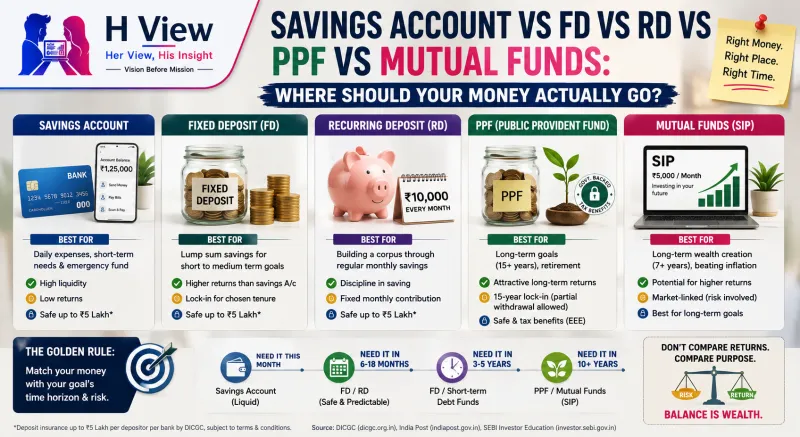 Also readSavings Account vs FD vs RD vs PPF vs Mutual Funds: Where Should Your Money Actually Go?→
What do Jio's numbers look like?
These figures come from the restated financials summarised by brokers from the RHP. They are big numbers, so we have kept it simple.
| ₹ crore | FY24 | FY25 | FY26 |
|---|---|---|---|
| Revenue from operations | 1,09,558 | 1,28,218 | 1,46,885 |
| Profit after tax | 21,423 | 26,109 | 30,049 |
| EBITDA margin | 50.2% | 50.1% | 51.9% |
Reliance Jio served about 533 million customers in India as of 30 June 2026, and average revenue per user (ARPU) was ₹215.6 a month for the April to June 2026 quarter, per the same summary. Of the money raised, about ₹27,500 crore is earmarked to prepay borrowings of Reliance Jio Infocomm, with the rest for general corporate purposes.
So the business is large and profitable. The real question for an investor is not "Is Jio a good company?" but "Is this price a good price?" At the upper band the company is valued at around ₹10.3 lakh crore, according to SpringPad's analysis, which works out to roughly 33 times earnings on its calculation.
What risks should retail investors think about?
Every RHP has a long risk section, and most people skip it. Don't. Some of the points flagged for Jio include:
- Dependence on telecom licences and spectrum, which come with regulatory obligations and costs.
- Price competition in Indian telecom, where tariffs drive revenue.
- Reliance on group companies and a small number of tower and fibre providers.
- Network outages, cybersecurity incidents and data breaches.
- Newer businesses such as cloud and AI, which are less proven than mobile.
Then there is listing-day risk. A strong subscription does not guarantee a listing gain, and grey market premium (GMP) numbers shared online are unofficial and can change quickly.
How should you decide whether to apply?
Five questions before you bid
- Is this money I won't need for at least three to five years?
- Am I buying for the business, or only for a listing-day pop?
- Have I read the risk factors, not just the price band?
- Will this one stock become too large a part of my savings?
- Do I have an emergency fund in place first?
If most of your answers are "no" or "not sure", that is useful information too. Missing an IPO is not a financial loss. Putting rent money into one is.
Her View
A lot of families are hearing about an IPO for the first time because of Jio. That is a good thing, as long as excitement does not replace understanding. If you are a first-time investor, sit down with the person who looks after money in your home, read the basics together, and decide an amount you are comfortable with even if the listing disappoints.
 Also readWhat Does “Savings” Actually Mean? Cash, Bank Balance, FD, RD, Gold, Insurance and Investments Explained→
His Insight
Big IPOs often attract huge subscriptions, which means retail allotment can feel like a lottery. Applying for one lot in the retail category, and the shareholder category if you qualify, gives most small investors the same chance as applying for more. Applying with borrowed money for a hoped-for listing gain is a trade, not an investment, and should be treated that way.
H View Verdict
The Jio IPO is one of the largest Indian public issues and a profitable business with a big customer base. Whether it suits you depends on your goals, the price and your risk appetite, not on headlines or GMP. Check the dates, confirm the lot size, read the risks and invest only what you can leave untouched.
Frequently Asked Questions
What is the Jio IPO price band?
The price band is ₹1,065 to ₹1,119 per share. Employees get a ₹54 discount per share in the employee reservation portion.
When is the Jio IPO allotment date?
The basis of allotment is expected on 26 October 2026, with shares credited and refunds started on 27 October. Listing on NSE and BSE is tentatively set for 28 October 2026.
What is the minimum investment in the Jio IPO?
Most broker summaries list one lot as 12 shares, or ₹13,428 at the upper price band. Confirm the lot size on your broker app or in the RHP before bidding.
Can Reliance shareholders apply separately?
Yes. People who held at least one Reliance Industries share in demat on the record date, 14 October 2026, can bid in the shareholder reservation of up to ₹2,500 crore, in addition to the retail category.
Is the Jio IPO a fresh issue or an offer for sale?
It is entirely a fresh issue, so the money raised goes to the company. About ₹27,500 crore is planned for prepaying borrowings of Reliance Jio Infocomm.
H View stories follow our editorial policy. Spotted an error? Tell us and we will correct it.
Rate this article
One tap is enough. No comment needed.
Was this article helpful?
Your answer goes straight to our editors.



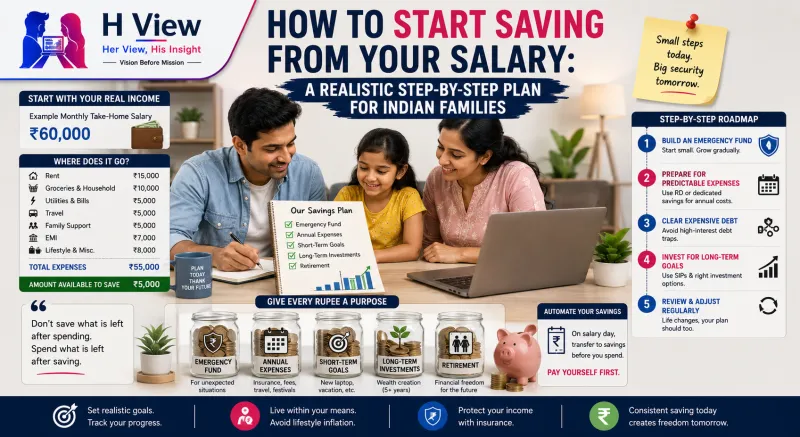





Comments0
No comments yet. Start the conversation.