

Best Digital Marketing Tools in 2026: What Marketers Actually Need and What They Can Skip
Open LinkedIn for a few minutes and you will probably come across a colourful graphic…
 Harika October 6, 2026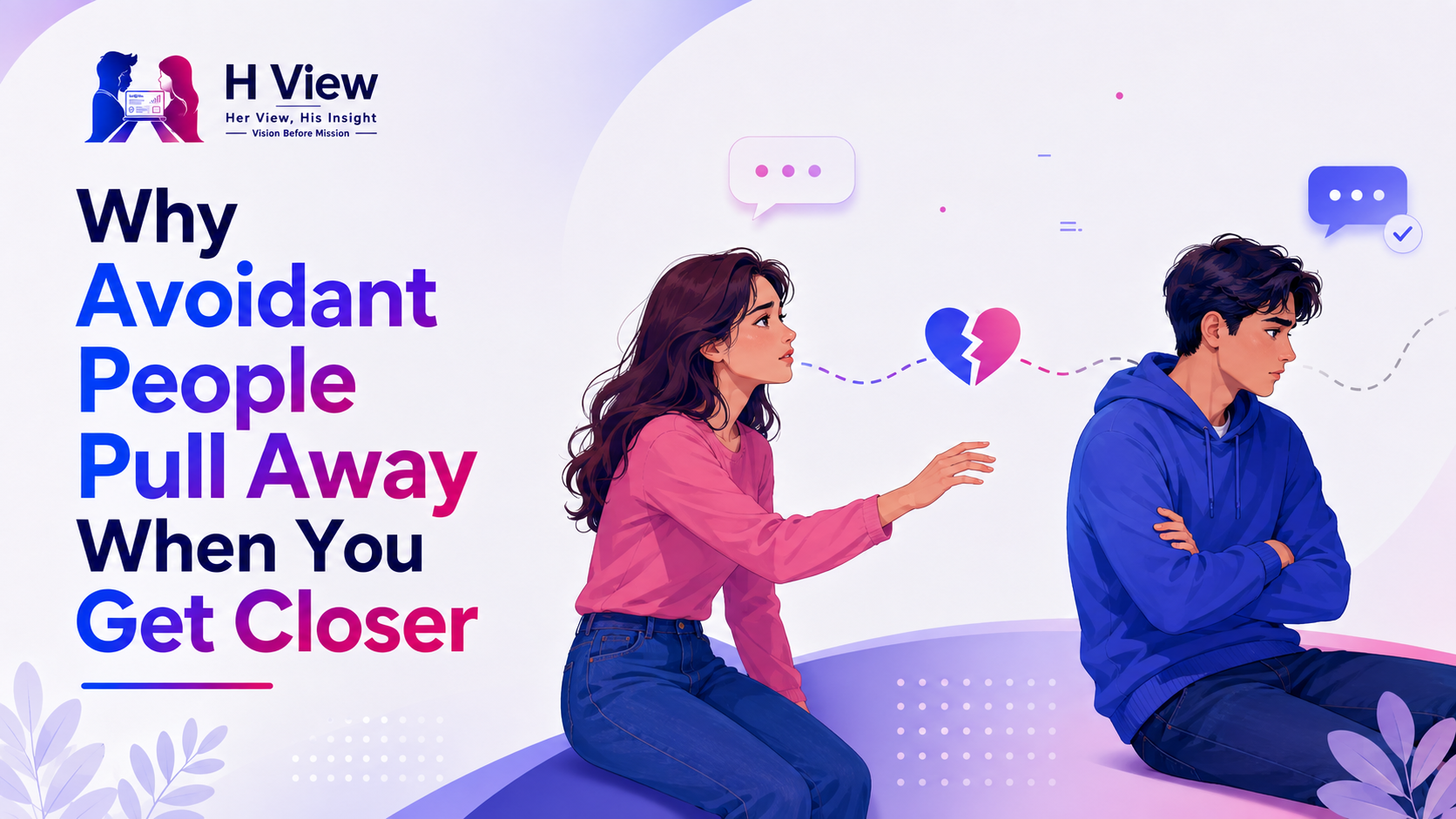
 By AnnapurnaUpdated September 20, 20269 min read31 views
Everything may seem to be going well at first. The conversations are easy, attraction is obvious, and the other person seems genuinely interested in spending time with you. Then, just as the relationship begins to feel more meaningful, something changes. Messages become shorter, plans become less frequent, affection feels inconsistent, and a person who once seemed emotionally present suddenly starts creating distance.
For the person on the receiving end, this behaviour can be confusing. It is natural to wonder whether you said something wrong, became too available, or misunderstood the relationship entirely. Sometimes interest genuinely has faded, but in other situations the withdrawal may be connected with an avoidant attachment pattern.
Avoidant attachment does not mean someone is incapable of love or deliberately trying to hurt people. It generally describes a tendency to feel uncomfortable with emotional dependence, vulnerability, or too much closeness. Understanding that pattern can help explain the behaviour, but it should not become an excuse for repeatedly accepting a relationship that leaves you anxious and uncertain.
Attachment theory is often discussed online as though everyone fits neatly into a single category, but real people are more complicated. Broadly speaking, someone with avoidant tendencies may value independence so strongly that emotional closeness begins to feel uncomfortable when another person becomes important.
They might enjoy dating while things feel relaxed and low-pressure. Once the relationship begins requiring vulnerability, reassurance, shared plans, or emotional accountability, however, they may experience closeness as a threat to their freedom. Pulling away becomes a way to restore a sense of control.
This does not necessarily happen consciously. An avoidant person may genuinely like someone and still feel an urge to create distance when the relationship becomes deeper. From the outside, that contradiction can look impossible to understand. From their perspective, intimacy itself may trigger discomfort.
People with avoidant patterns often place a high value on self-reliance. Independence is not a problem by itself; healthy adults should be capable of functioning on their own. Difficulty begins when needing another person is interpreted as weakness, danger, or loss of control.
Someone who has learned to handle problems alone may struggle when a partner asks them to share fears, seek support, or depend on the relationship emotionally. They may feel much more comfortable solving a problem privately than saying, “I need you right now.”
As the connection grows, the emotional stakes increase. Suddenly there is another person whose feelings matter, whose disappointment can hurt, and whose needs have to be considered. Creating distance can become an instinctive way of reducing that emotional pressure.
An avoidant partner may be perfectly comfortable with affection until they begin to feel that the relationship is taking over their life. More frequent communication, expectations about weekends, future planning, meeting family members, or discussing exclusivity can make them worry that they are losing freedom.
This fear can exist even in relationships where nobody is actually controlling them. The issue may be how they interpret closeness rather than what their partner is demanding. A completely reasonable request for more consistency can feel to them like the beginning of an obligation they are not sure they want.
As a result, they may start reclaiming space in indirect ways. They might become busier, take longer to respond, reduce affection, or suddenly focus heavily on work, hobbies, and friends. To their partner, these changes feel like rejection. To the avoidant person, they may feel like breathing room.
One of the most confusing things about avoidant behaviour is that someone may be comfortable with physical affection while struggling with emotional intimacy. They can enjoy attraction, dates, and even significant closeness, yet become uneasy when conversations move toward deeper fears, needs, or long-term expectations.
Emotional vulnerability requires giving another person access to parts of yourself that could potentially be rejected. For someone uncomfortable with dependence, admitting that they care deeply can feel risky because caring means having something to lose.
This is why withdrawal sometimes happens after an especially intimate moment. A meaningful conversation, a romantic weekend, saying “I love you,” or discussing a shared future might make one person feel more secure while making the avoidant partner unexpectedly uncomfortable. What looked like progress can be followed by distance because the emotional connection suddenly feels very real.
A noticeable pattern in some avoidant relationships is that a partner who once seemed highly interested suddenly becomes critical when commitment gets closer. Small habits that never mattered before can start receiving unusual attention.
They may convince themselves that the relationship is wrong because you have different hobbies, communicate differently, are too emotional, want too much time together, or do not match an imagined ideal partner. Of course, incompatibilities can be genuine, and not every criticism is an attachment issue. The pattern becomes more meaningful when dissatisfaction repeatedly appears immediately after increased emotional closeness.
Focusing on flaws creates psychological distance. If someone can convince themselves that the partner is not quite right, pulling away becomes easier to justify. It feels safer than admitting that the real discomfort may come from being emotionally invested.
This is where avoidant relationships can become particularly exhausting. When one person senses emotional distance, their natural response may be to seek reassurance. They ask whether something is wrong, send more messages, suggest spending more time together, or try harder to restore the closeness that existed before.
Unfortunately, those attempts can make an avoidant partner feel even more pressure. They withdraw further, which makes the other person more anxious, leading them to seek even more reassurance. A painful cycle begins in which each person accidentally intensifies the other’s fear.
This dynamic is especially common when one person has anxious attachment tendencies and the other leans avoidant. The anxious person fears abandonment and moves closer, while the avoidant person fears losing independence and moves away. Both may care about each other deeply, yet their coping behaviours continuously create the exact situation each person fears.
One of the hardest questions in this situation is whether an avoidant person still has feelings when they become distant. Sometimes they do. Emotional withdrawal and lack of affection are not always the same thing.
A person may miss you while avoiding contacting you, think about the relationship while insisting they need space, or feel strongly attached while appearing detached. This contradiction is one reason these relationships can be so confusing.
However, understanding that someone may care is not the same as having a healthy relationship with them. Feelings alone do not create consistency, communication, or emotional safety. Someone can genuinely care about you and still be unable or unwilling to participate in the kind of relationship you need.
That distinction is important because people sometimes remain in painful situations for years simply because they believe the other person secretly loves them.
Attachment language has become so common that almost every difficult dating behaviour is now explained through a psychological label. Someone disappears for days and is called avoidant. Someone refuses commitment and is called emotionally unavailable. While attachment patterns can provide useful context, they should not be used to excuse disrespect.
A person is still responsible for how they communicate. Needing space is reasonable, but repeatedly disappearing without explanation is different. Feeling uncomfortable with vulnerability is understandable, but expecting a partner to tolerate endless uncertainty is not automatically acceptable.
Understanding why someone behaves a certain way should help you make better decisions. It should not require you to abandon your own emotional needs.
Yes, avoidant attachment patterns are not permanent sentences. People can become more comfortable with closeness when they recognise their patterns and actively work on them. Self-awareness, honest communication, supportive relationships, and sometimes professional counselling can all help.
Change, however, has to come from the person themselves. A loving partner cannot force someone into emotional readiness. Constant reassurance may temporarily calm the relationship, but it cannot replace the other person’s willingness to examine why intimacy feels threatening.
The healthiest progress often happens slowly. Instead of disappearing when overwhelmed, the avoidant partner learns to say that they need some space. Instead of shutting down during emotional conversations, they learn to stay present. These may appear like small changes, but they can completely change the emotional experience of a relationship.
When someone repeatedly becomes distant whenever the relationship grows closer, it can be tempting to work harder to prove that you are safe, patient, and worth choosing. That effort can slowly turn into ignoring your own needs while waiting for another person to become comfortable with intimacy. Compassion matters, but so does emotional reciprocity. You can understand why someone struggles with closeness without accepting months of mixed signals, unexplained disappearances, or uncertainty about where you stand. A relationship should leave room for independence, but it should also provide enough consistency that neither person spends most of their time wondering whether affection will disappear tomorrow.
For someone with avoidant tendencies, pulling away can feel easier than explaining what is happening internally. Distance provides immediate relief from emotional pressure, but it can also confuse and hurt a partner who has no idea why the relationship suddenly changed. Learning to communicate discomfort is often more important than trying to eliminate it completely. Saying, “I care about you, but I feel overwhelmed and need a little space,” creates a very different experience from simply disappearing. Independence and commitment do not have to be enemies, but a healthy relationship requires both people to recognise that closeness comes with responsibility for how their actions affect someone else.
Not every period of distance means someone has avoidant attachment. People become busy, stressed, tired, overwhelmed, or uncertain about relationships for many reasons. One difficult week should not become a diagnosis.
Patterns matter more than isolated moments. If someone consistently moves closer and then disappears whenever intimacy increases, avoids every conversation about expectations, or makes you feel that ordinary emotional needs are unreasonable, the relationship deserves a closer look.
Understanding avoidant behaviour can provide compassion and clarity, but it cannot answer the most important question for you: does this relationship actually feel healthy?
You do not need to punish someone for needing space, and you do not need to chase them until they are ready either. The goal is not to make an avoidant person stay. It is to find out whether both of you can create a relationship where closeness does not feel like a threat to one person and distance does not feel like abandonment to the other.
Sometimes that balance can be learned. Sometimes recognising that it is missing is the clarity you need.
Annapurna is an H View contributor covering relationships, family, lifestyle, entrepreneurship, and everyday decision-making. Her articles focus on emotional clarity, practical understanding, and human-centered perspectives that help readers think better about personal and professional situations.
Share your real experience and help other readers decide better.
No community views yet. Be the first to share yours.

Open LinkedIn for a few minutes and you will probably come across a colourful graphic…
Harika October 6, 2026 
When an employee resigns, many organisations move quickly into replacement mode. The manager informs HR,…
Harika October 6, 2026 
For many corporate employees, the workday begins long before they actually start working. They wake…
Harika October 5, 2026 
Many projects begin with an assumption that sounds reasonable on paper: the client will explain…
Harika October 1, 2026