

Best Digital Marketing Tools in 2026: What Marketers Actually Need and What They Can Skip
Open LinkedIn for a few minutes and you will probably come across a colourful graphic…
 Harika October 6, 2026
  By HarikaUpdated September 20, 20267 min read32 views
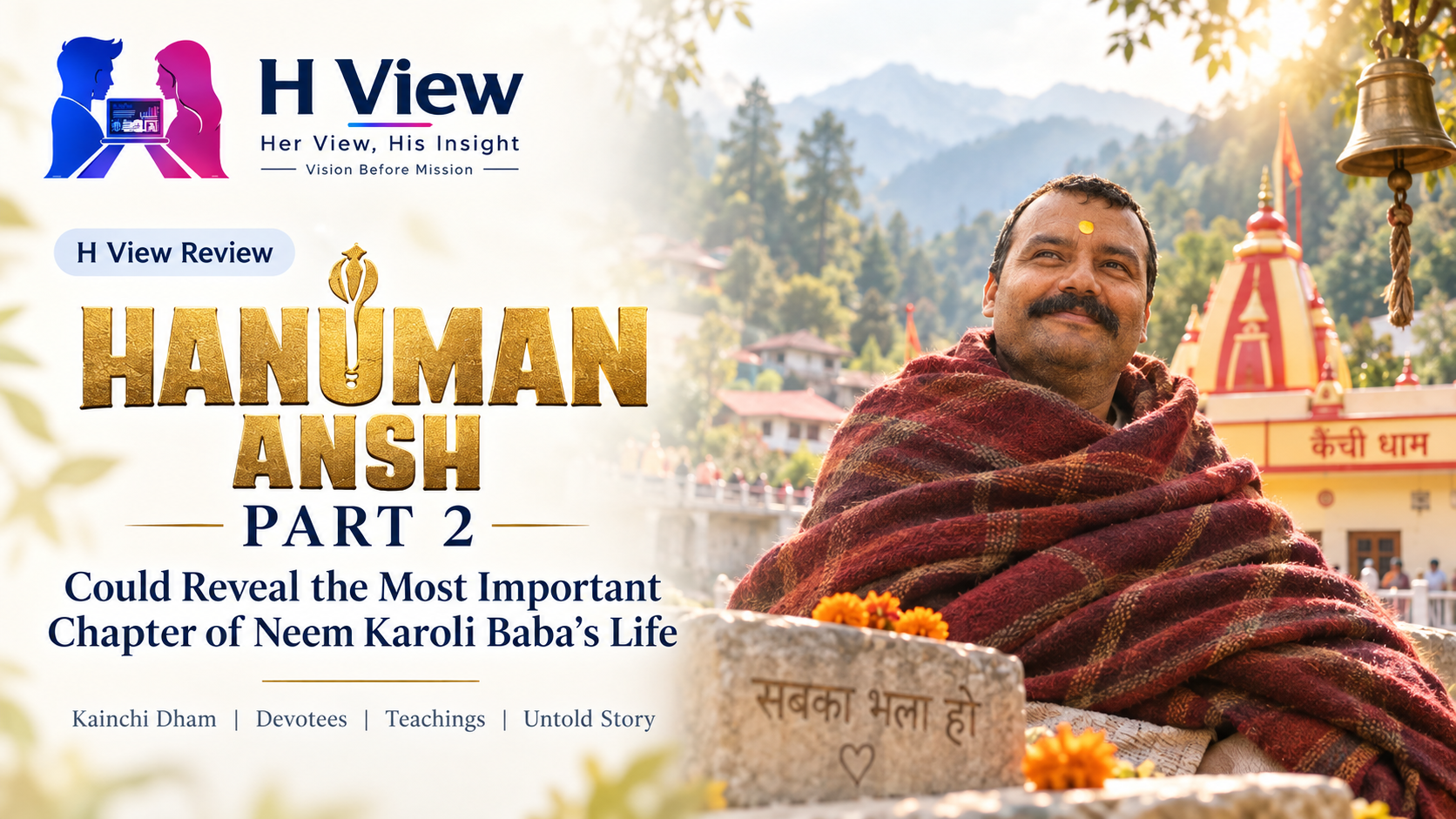
I enjoyed watching Hanuman Ansh, but I left with more questions than answers. The film made me interested in Neem Karoli Baba’s life, yet the ending arrived before I felt I understood enough about him. For a viewer expecting a complete biography, that can be disappointing. You want to know what happened next, why people became devoted to him, and how the journey you have just watched connects with the legacy you hear about today.
That feeling is the starting point for this article. A second film could answer those questions, provided it gives the people and experiences around Maharaj-ji enough attention. My hope for Hanuman Ansh Part 2 is a story that helps us understand him better, rather than simply adding more incidents to his life on screen.
According to The Indian Express’s report on the sequel, director Vishal Chaturvedi confirmed that work on the second film had begun. The report also describes the project as a planned trilogy. That gives viewers a reason to expect the story to continue, although it does not establish every detail of the next film.
The discussion below is therefore about what I would like the sequel to explore. Its focus on Kainchi Dham, devotees and everyday acts of service should be read as an editorial suggestion, not a confirmed plot summary. Keeping that distinction clear matters when audiences are already searching for answers about Part 2.
Knowing that more films are planned explains the unfinished journey, but it does not completely remove the frustration. Each film still needs to give its audience something meaningful before asking them to return. Part 2 has an opportunity to provide that sense of progress by answering the questions the first film raised.
A biography becomes easier to connect with when we understand the people in it. Instead of showing a devotee arriving and immediately expressing faith, the sequel could explain what brought that person there. Were they struggling with a family problem, looking for direction, or simply curious about someone others respected?
These are storytelling possibilities, not accounts of particular incidents. Their value is that they give the audience a human starting point. Once we understand someone’s situation, we can better understand why an encounter might matter to them.
If the sequel explores Kainchi Dham, I would like it to spend time on the life around the place. A beautiful location can attract our attention, but daily interactions help us understand its meaning. Who comes there, how people are received, and what they take away could give the film more depth than a few scenic shots.
The same approach would make room for different reactions. One visitor might arrive with strong faith, while another might have doubts. A thoughtful film can allow both people to exist without making either one look foolish.
The Neem Karoli Baba Ashram in Taos describes its guiding teachings in terms of love, service, remembrance of God and truthfulness. These principles are easy to state, but a film needs to show what they mean in someone’s life. A speech about kindness will only take the story so far if we never see anyone practising it.
For example, a scene about sharing food could explore who notices a hungry visitor and who makes room for them. The emotional weight would come from the care shown, without needing a long explanation. That is the kind of simplicity I would like the sequel to protect.
The film could connect spiritual ideas with actions people understand:
These are examples of how such values might be expressed, not a list of verified scenes from the sequel. Used thoughtfully, they could leave viewers with something to reflect on after the film. That would give the story value beyond the time spent watching it.
The original article raised an important question about how the film should handle experiences that devotees describe as miracles. My view is that these accounts should be presented with context: whose memory is being shared, what the person believed happened, and why it mattered to them. The film should also make clear when an account comes from a devotee’s recollection rather than an independently established event.
That approach does not require the storyteller to dismiss anyone’s faith. It allows viewers to understand the experience without being pushed toward one response. Respect and careful storytelling can work together.
A surprising incident may hold our attention, but the person’s response can be just as important. Did the experience affect how they treated their family or approached a difficult situation? If the source material supports those details, showing them would help the audience understand the lasting influence of the encounter.
After the first film, I wanted a clearer connection between the life shown on screen and the person devotees remember. More events alone would not necessarily provide that understanding. The sequel needs to explain why those events mattered and how they fit together.
The questions I would most like it to address are:
These questions could guide a focused film without requiring every part of his biography to fit into one instalment. They would also give viewers a reason to care about the next chapter. We would be following a developing story, rather than waiting for missing information.
What stayed with me after Hanuman Ansh was curiosity mixed with a feeling of incompleteness. I wanted the film to continue because I was interested in the life it introduced. For Part 2, I would value a few well-explained experiences more than a long series of events that pass too quickly to understand.
From a storytelling perspective, the sequel should give relationships time to develop. Scenes of conversation, service and uncertainty can carry weight when the writing is clear and the characters feel believable. A larger production can support that work, but it cannot replace it.
Hanuman Ansh Part 2 has an opportunity to turn the curiosity created by the first film into deeper understanding. I would like it to explore Maharaj-ji’s influence through the people around him, with clear context and enough space for their experiences. If it leaves viewers understanding why those relationships mattered, the next chapter will have achieved something worthwhile.already created that attention. The greater challenge will be resisting the temptation to make the sequel louder simply because the franchise has become bigger.
Kainchi Dham, Maharaj-ji’s devotees, his teachings, and the stories surrounding his everyday interactions already provide enough material for a powerful film. The filmmakers do not need to exaggerate those elements in order to make them interesting.
If Part 2 remains focused on people rather than publicity, it has the potential to become the emotional centre of the entire trilogy.
The report linked above says the director confirmed work on a sequel. It also describes a trilogy plan. That should be distinguished from confirmation of a release date or a complete storyline.
No. It presents an editorial view of what the sequel could explore. The suggestions about locations, themes and storytelling should not be treated as announcements from the filmmakers.
Their experiences could help explain why Maharaj-ji mattered to them. A biography becomes more meaningful when it shows how relationships developed. Any specific account used should still be supported by appropriate source material.
It needs scenes that develop the story and help viewers understand the people involved. Some may be dramatic, while others may be quiet. The important question is what each scene contributes.
Harika is the co-founder of H View and covers AI, technology, gadgets, digital tools, online platforms, and modern internet trends. Her articles focus on simplifying complex topics with practical explanations, balanced opinions, and reader-first insights.
Share your real experience and help other readers decide better.
No community views yet. Be the first to share yours.

Open LinkedIn for a few minutes and you will probably come across a colourful graphic…
Harika October 6, 2026 
When an employee resigns, many organisations move quickly into replacement mode. The manager informs HR,…
Harika October 6, 2026 
For many corporate employees, the workday begins long before they actually start working. They wake…
Harika October 5, 2026 
Many projects begin with an assumption that sounds reasonable on paper: the client will explain…
Harika October 1, 2026