

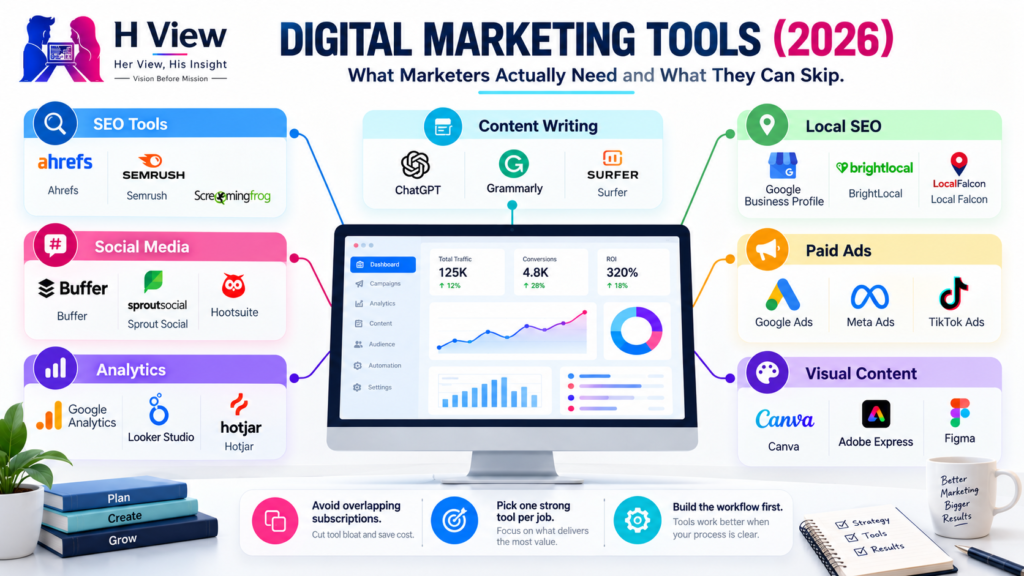
Best Digital Marketing Tools in 2026: What Marketers Actually Need and What They Can Skip
Open LinkedIn for a few minutes and you will probably come across a colourful graphic…
 Harika October 6, 2026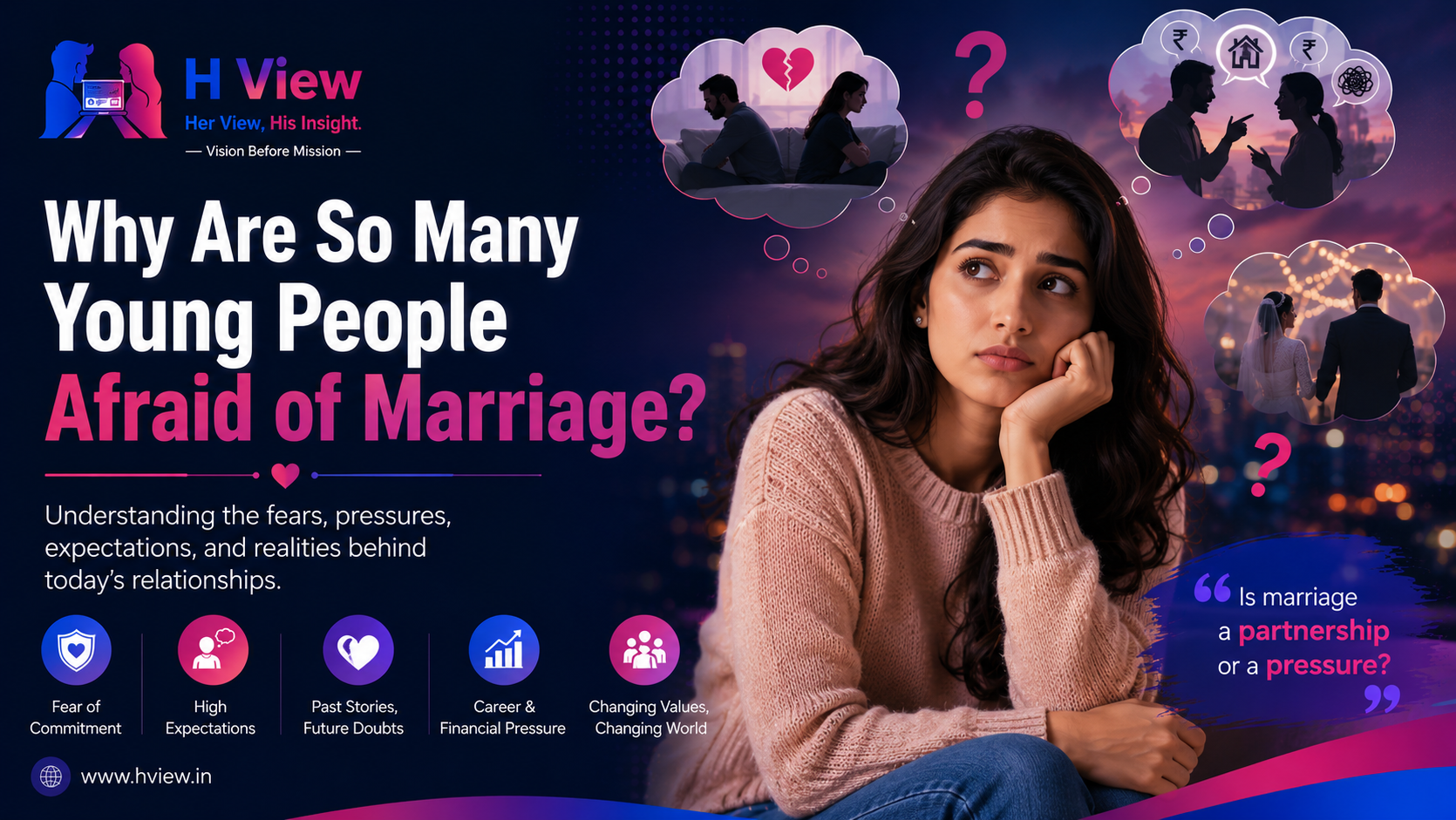
 By AnnapurnaUpdated September 20, 20267 min read48 views
Why Are So Many Young People Afraid of Marriage Today?
Marriage was once treated as a natural step into adulthood. Today, the picture is very different. Many young adults still want love, companionship, emotional security, and even children, but they are much more hesitant when marriage becomes part of the conversation.
It is easy to label this as a fear of commitment, but that explanation misses what has changed. Young people have grown up watching both happy and unhappy marriages, and they have access to more stories about relationships than any generation before them. They are also living with financial pressure, greater independence, and a dating culture that makes commitment feel less simple. Marriage is no longer something to enter simply because it is “time.” It has to make sense emotionally, practically, and financially.
One of the biggest reasons for hesitation is experience. Many young adults have watched marriages around them struggle for years. Some grew up with parents who stayed together but constantly argued, while others saw cheating, financial control, emotional distance, or resentment become normal inside a household.
These experiences can change the way a person imagines married life. Instead of seeing only companionship and family, they also think about what happens if the relationship becomes unhealthy. A person who watched one parent carry most of the emotional or financial burden may naturally ask whether marriage is worth the risk. In many cases, young people are not afraid of love itself. They are afraid of becoming stuck in the wrong relationship.
A major cultural shift is that adulthood is no longer defined only by marriage. Young people can build careers, travel, live independently, and create meaningful social lives without marrying early.
That changes the comparison. Marriage is no longer being weighed only against loneliness. It is being compared with independence, personal space, financial control, career freedom, friendships, and routines that already feel comfortable. Someone who is already happy may reasonably ask what marriage will add.
This does not mean young people value relationships less. It means they want marriage to improve the life they already have rather than replace it.
Marriage is one of those decisions where nobody can fully know what the future will look like. Dating can show many sides of a person, but it cannot recreate every pressure a couple may face after marriage. Money problems, illness, children, career setbacks, and family responsibilities can change how people behave.
That uncertainty can make commitment frightening. Young adults want to know how a partner handles conflict, money, responsibility, and family boundaries before making a permanent decision. These are sensible concerns, but they can also create a search for complete certainty that no relationship can provide.
The fear is often not “I do not want to marry.” It is “What if I choose badly and realise it years later?” That is a very different concern.
Financial pressure has also changed how young people think about marriage. The issue is not only the cost of a wedding. Housing, rent, home loans, healthcare, childcare, education, travel, and savings all make family life feel expensive. Someone who is still trying to build a stable career may feel unprepared to take on additional responsibilities.
In many cities, even two working adults can struggle with the cost of building the lifestyle they expected. That makes marriage feel less like a romantic milestone and more like a major financial decision. Young people are also more aware of the financial consequences of separation, including legal expenses, divided assets, maintenance, and custody disputes.
These outcomes do not happen in every marriage, but repeated exposure to them can make people more cautious.
Social media has given young people unlimited access to relationship advice. Every day, they see discussions about red flags, toxic behaviour, cheating, boundaries, and divorce. Some of this information is genuinely useful because it helps people recognise behaviour that previous generations may have ignored.
The problem is that ordinary relationship difficulties can start looking more serious than they really are. A disagreement may be labelled incompatibility. A communication problem can quickly become a “red flag.” People may start analysing every behaviour instead of allowing space for normal mistakes, growth, and compromise.
At the same time, social media shows an unrealistic version of happy relationships. Perfect proposals and romantic holidays create one extreme, while betrayal and divorce stories create the other. Real marriage usually sits somewhere in the middle, but that ordinary reality is less visible online.
Dating apps have created the feeling that another option is always available. If one relationship feels imperfect, it is easy to imagine that someone better may be only a few swipes away. One person may appear more attractive, another more successful, and someone else more emotionally compatible.
This constant comparison can make good relationships seem insufficient. Instead of asking, “Can I build a healthy life with this person?” people may start asking, “Is there someone better?” The second question has no natural ending because there will always be someone who seems stronger in one particular area.
Long-term compatibility is not about finding a person who is perfect in every category. It is about finding someone with whom trust, attraction, values, communication, and daily life work well enough to build something meaningful.
Many young adults spend years making decisions entirely for themselves before marriage. They choose where to live, how to spend money, how to organise their time, and what career opportunities to follow. Marriage naturally introduces negotiation into many of those choices.
A healthy relationship should not erase individuality, but it does require compromise. Couples have to discuss finances, household work, family commitments, career moves, children, and long-term priorities. For someone used to independence, that adjustment can feel significant.
The deeper fear is often not losing freedom completely. It is losing too much of oneself while trying to keep a relationship together. Young people increasingly want partnerships where both people can remain individuals rather than one person constantly adjusting to the other.
For many young women, marriage is no longer attractive simply because it offers social security or family approval. Women who have worked hard to build careers, independence, and confidence are more likely to question a marriage that appears to add responsibilities without creating an equal partnership.
Many have watched women work full-time while still carrying most household and childcare responsibilities, which naturally makes them cautious. If marriage means giving up career progress, personal freedom, or peace of mind, staying single can look like the better choice.
A healthy marriage should allow a woman to grow, not require her to become smaller so the relationship can function.
Young men also carry fears about marriage, although they may express them differently. Some feel pressure to reach a certain income or career level before they are considered ready. Others worry about becoming responsible for an entire household before they feel financially or emotionally prepared.
Men also hear stories about difficult divorces, financial disputes, and custody conflicts, which can influence how safe commitment feels. Instead of openly saying they are afraid, some men simply keep postponing the decision.
The result is that both men and women may want companionship while approaching marriage with very different worries.
Common reasons include career goals, financial planning, emotional readiness, changing expectations, and the desire to choose a compatible life partner rather than marrying because of age or social pressure.
Not always. For many people, it reflects careful preparation rather than fear. They want to understand themselves, build stability, and make a thoughtful lifelong decision.
Yes. Social media often presents either idealised relationships or highly publicised relationship failures. Both extremes can shape expectations if they are not balanced with real-life perspectives.
There is no universal age that guarantees a successful marriage. Emotional maturity, communication, shared values, and mutual respect matter far more than a specific number.
Annapurna is an H View contributor covering relationships, family, lifestyle, entrepreneurship, and everyday decision-making. Her articles focus on emotional clarity, practical understanding, and human-centered perspectives that help readers think better about personal and professional situations.
Share your real experience and help other readers decide better.
No community views yet. Be the first to share yours.
Open LinkedIn for a few minutes and you will probably come across a colourful graphic…
Harika October 6, 2026 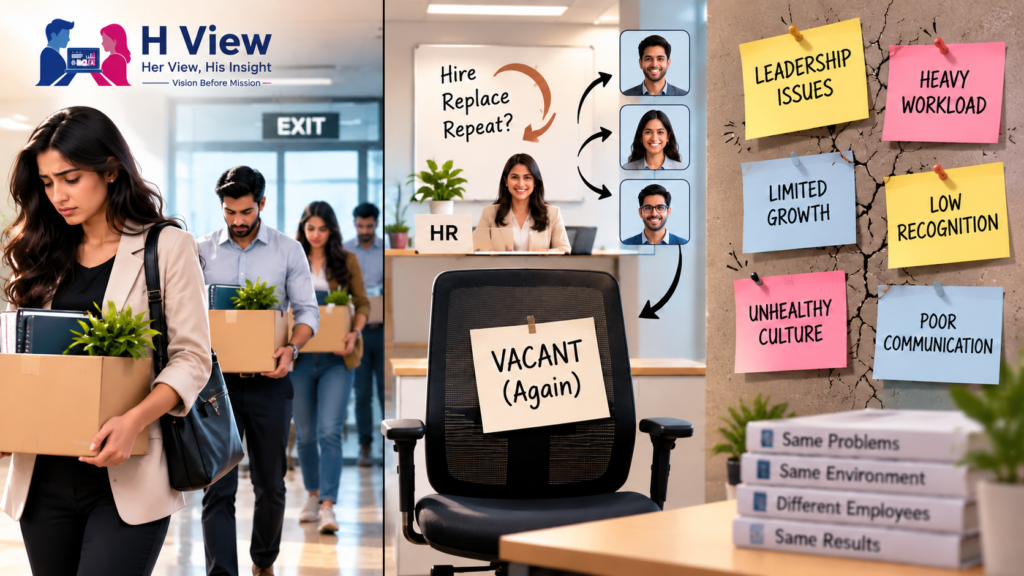
When an employee resigns, many organisations move quickly into replacement mode. The manager informs HR,…
Harika October 6, 2026 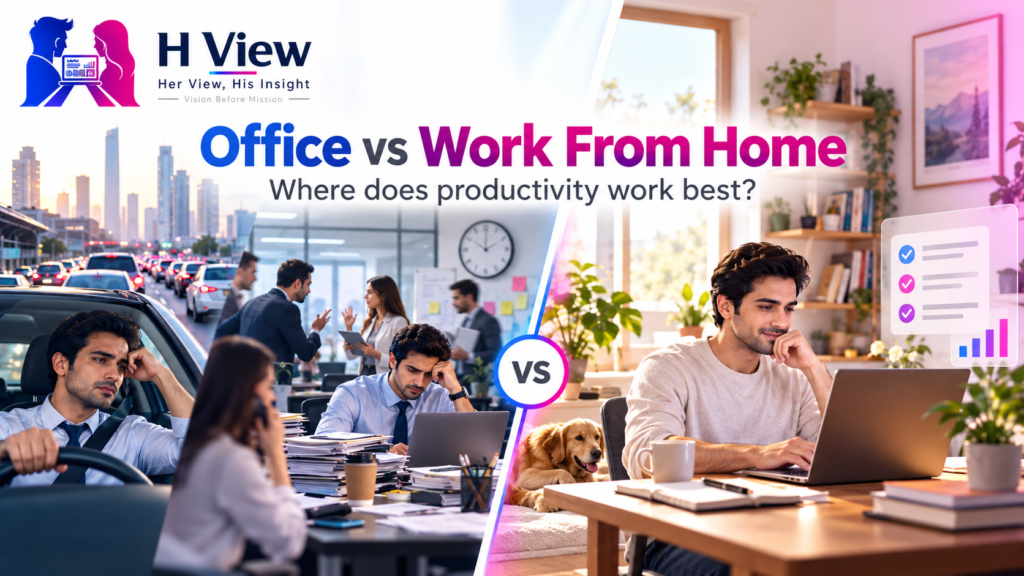
For many corporate employees, the workday begins long before they actually start working. They wake…
Harika October 5, 2026 
Many projects begin with an assumption that sounds reasonable on paper: the client will explain…
Harika October 1, 2026