

What Is a Mule Bank Account? How Ordinary People Get Pulled Into Cybercrime Without Realising It
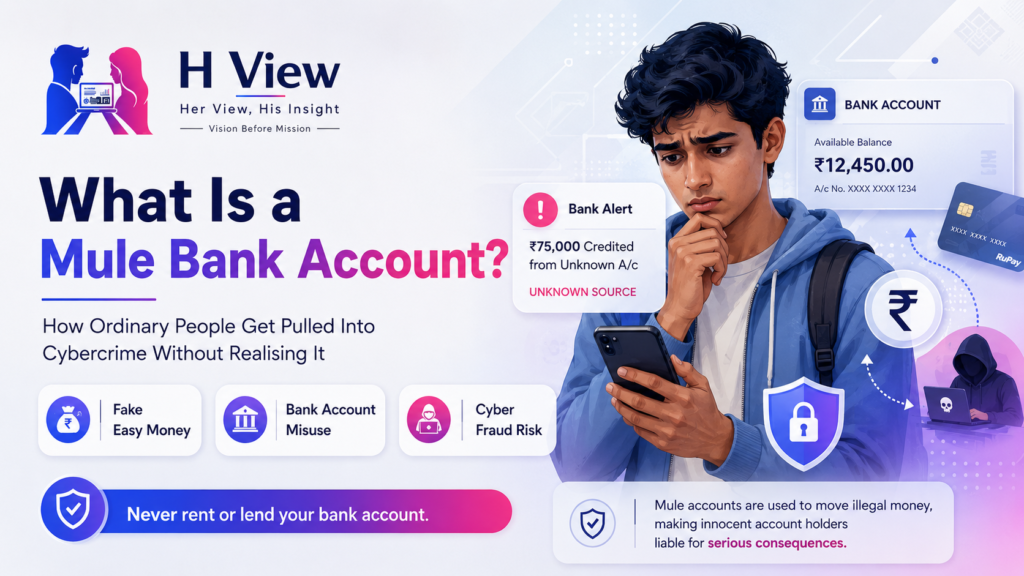
A stranger messages you with what sounds like an easy opportunity. “Use your bank account…
 Harika August 9, 2026
  By HarikaUpdated September 20, 20268 min read48 views
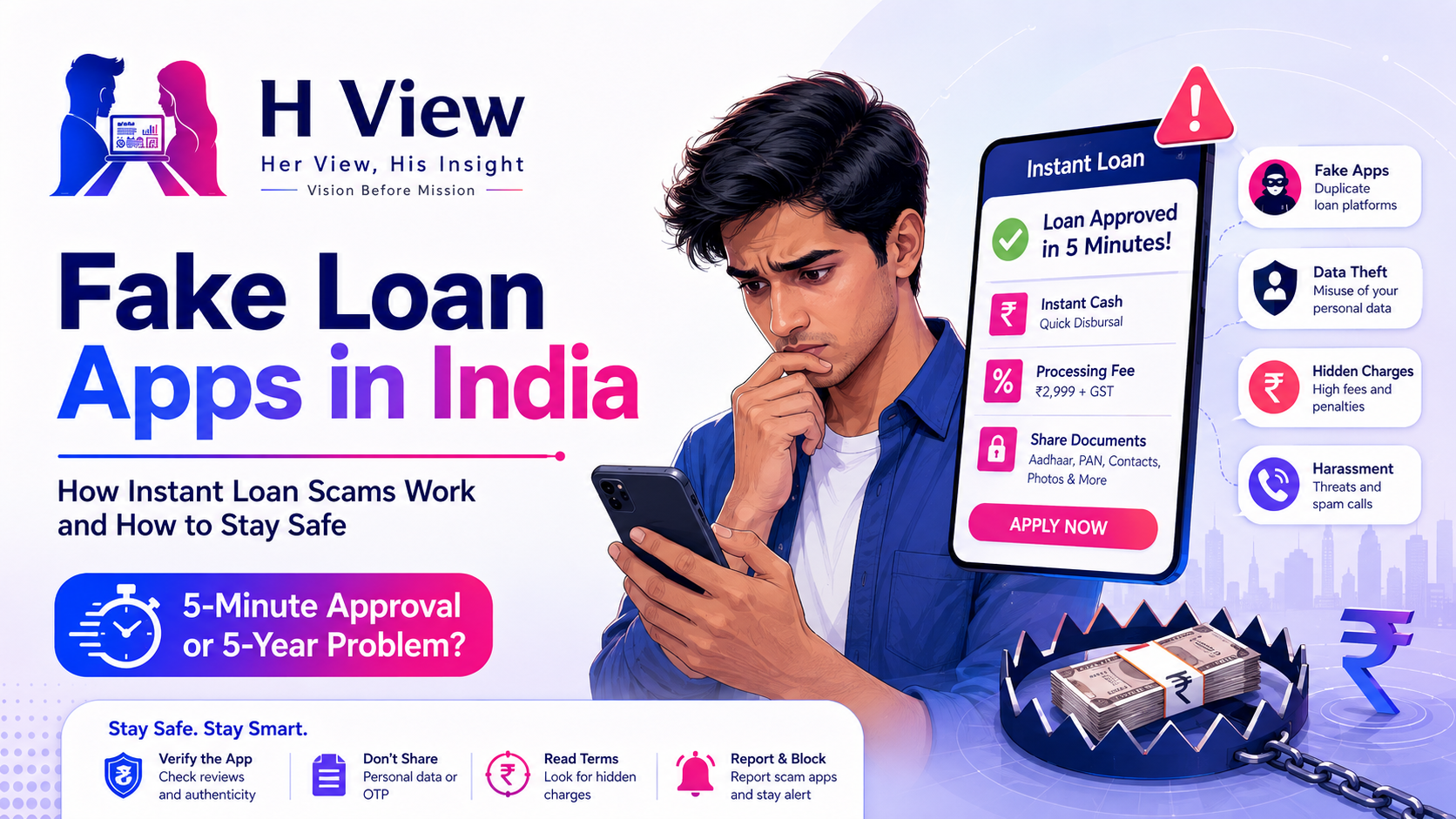
“Loan approved in five minutes.”
“No salary slip required.”
“₹50,000 instantly.”
“100% approval—even with a low credit score.”
When someone urgently needs money for rent, medical expenses, education or an unexpected family emergency, such promises can feel like relief.
That urgency is exactly what fake loan operators exploit.
A fraudulent loan app or website may look professional, use the name of a legitimate lender and promise quick approval with minimal documentation. But instead of providing genuine credit, the operator may collect personal data, demand advance fees, misuse phone permissions or pressure the applicant into paying repeatedly.
The safest rule is simple: quick approval is not the problem; an unverified lender is.
A fake loan app is an application or website that pretends to offer legitimate credit but is actually designed to steal money, personal information or access to a borrower’s device.
Some fraudulent platforms never provide a loan at all. They simply collect a “processing fee,” “security deposit” or “GST charge” and disappear.
Others may disburse a small amount but use abusive collection practices, hidden charges or misuse personal data.
This is why borrowers should distinguish between a genuine digital loan and an app that merely looks like one.
The Reserve Bank of India’s digital-lending framework applies to loans offered digitally by regulated entities such as banks and eligible Non-Banking Financial Companies, or NBFCs, including arrangements involving approved Lending Service Providers. RBI rules also require important loan costs to be disclosed through a Key Fact Statement, or KFS.
Imagine someone urgently needs ₹20,000.
They search online for “instant loan without documents” and see an advertisement promising approval within minutes.
After installing the app, they are asked for:
Within minutes, a message arrives:
“Congratulations. Your loan of ₹50,000 is approved.”
But before disbursement, the applicant is asked to pay ₹1,999 as a processing fee.
After that payment, another demand appears.
₹3,500 for insurance.
Then ₹5,000 for account verification.
Then another payment because the “transaction failed.”
The applicant keeps paying because they have already invested money and still expect the promised loan.
There may never have been a loan in the first place.
Loan scams frequently depend on pressure rather than sophisticated technology.
Someone who has several weeks to research lenders may compare interest rates and verify companies.
Someone who needs ₹30,000 tonight may think differently.
The scammer creates the impression that:
Once a person pays the first fee, they may continue paying because they do not want to lose what they have already spent.
That psychological pressure is a major part of the fraud.
One of the clearest warning signs is an unexpected payment demanded before the promised loan is released.
The payment may be described as:
Legitimate loans can certainly include processing fees and other disclosed charges. The difference is transparency and verification.
RBI’s digital-lending framework requires applicable charges and the Annual Percentage Rate to be disclosed appropriately, including through the Key Fact Statement.
Do not transfer money to a personal UPI ID or an unknown bank account simply because someone claims it is required to “unlock” the loan.
A loan application may legitimately need certain information to assess identity or eligibility.
That does not mean every permission request is reasonable.
Be cautious when an unfamiliar loan app asks for broad access to:
The National Cyber Crime Reporting Portal advises users to install applications only from trusted sources such as recognised app stores or official company websites and to protect devices from unauthorised access.
Installing an app from an APK file sent through WhatsApp, Telegram or SMS should immediately raise suspicion.
An app-store listing is useful, but it should not be your only verification.
Before borrowing, identify who is actually lending the money.
Look for the name of the bank or NBFC behind the loan.
Then independently check the lender’s official website rather than relying on information supplied by the app.
A genuine digital lender should clearly explain:
RBI’s digital-lending rules also state that lending service providers should not control the flow of money between the regulated lender and borrower.
A request to repay a supposed loan into an employee’s personal UPI account is therefore a major warning sign.
A fraudulent app does not have to invent an unknown company.
Scammers can copy:
They may even use a name differing from a legitimate lender by only one letter.
That is why searching for the company name alone is insufficient.
Visit the official lender website independently and verify that the app or lending partner is actually associated with it.
ICICI Bank’s current security guidance similarly advises customers to avoid unknown links, use trusted devices and never share OTPs, PINs, CVVs, passwords or card information with callers claiming to represent the bank.
Deleting the app is useful, but it may not undo information already shared.
Start by revoking its permissions and uninstalling it.
Then change important passwords if there is any possibility they were exposed.
Closely monitor:
Inform your bank immediately if financial credentials or unauthorised transactions are involved.
Preserve screenshots of the app, messages, payment requests, phone numbers and transaction receipts rather than deleting everything.
Act quickly.
Contact your bank or payment provider and report the transaction as suspected fraud.
India’s National Cyber Crime Reporting Portal provides facilities for reporting financial fraud and other cybercrime. It also allows citizens to check or report suspicious websites, apps, phone numbers and other identifiers.
For urgent financial cyber fraud, contact 1930 as soon as possible.
Fast reporting cannot guarantee recovery, but waiting gives fraudsters more time to move the money through additional accounts.
Avoiding scams does not mean every legitimate instant loan is financially wise.
Before accepting any loan, calculate:
A ₹20,000 loan that solves today’s problem can create a larger problem when the repayment burden does not fit next month’s income.
Read the Key Fact Statement before accepting the loan and do not make a decision based only on the monthly EMI.
People looking for emergency money do not need lectures about poor financial planning.
Sometimes families genuinely face situations where borrowing is unavoidable.
That makes transparent lending even more important.
When someone is already worried about money, a fake loan promising immediate relief can be extremely convincing. Families should discuss these scams before an emergency occurs so that urgency does not replace verification.
The strongest warning sign is not the phrase “instant loan.”
Legitimate banks also offer fast digital lending to eligible customers.
The warning sign is when verification disappears while pressure increases.
If a lender hides its identity, avoids providing proper terms, demands money through personal accounts or requests excessive phone access, stop the process.
Never borrow from an app merely because approval appears easy.
Identify the actual lender first.
Check the loan terms, Annual Percentage Rate and Key Fact Statement. Install apps only through trusted sources, and never share OTPs, PINs or banking passwords.
Most importantly:
Do not send more money simply because someone says your already-approved loan will otherwise be cancelled.
A financial emergency is difficult enough.
Do not allow a fake loan to turn one problem into several.
No. Banks and regulated lenders can legitimately provide digital and even very fast loans. The important step is verifying the actual regulated lender behind the application and reviewing the loan terms.
Legitimate lenders may charge disclosed processing fees, but unexpected demands to transfer money to personal UPI IDs or unknown accounts are warning signs. Verify the lender and Key Fact Statement before paying anything.
Be cautious about broad or unnecessary permissions. Install financial applications only from trusted sources and review the permissions they request.
Revoke its permissions, uninstall it, secure important accounts, monitor financial activity and preserve evidence. Contact your bank immediately if banking credentials or transactions may have been compromised.
Suspected cybercrime can be reported through the National Cyber Crime Reporting Portal. The portal also provides facilities for reporting or checking suspicious websites and apps.
For financial cyber fraud in India, report the incident promptly through 1930 and the National Cyber Crime Reporting Portal.
Harika is the co-founder of H View and covers AI, technology, gadgets, digital tools, online platforms, and modern internet trends. Her articles focus on simplifying complex topics with practical explanations, balanced opinions, and reader-first insights.
Share your real experience and help other readers decide better.
No community views yet. Be the first to share yours.
A stranger messages you with what sounds like an easy opportunity. “Use your bank account…
Harika August 9, 2026 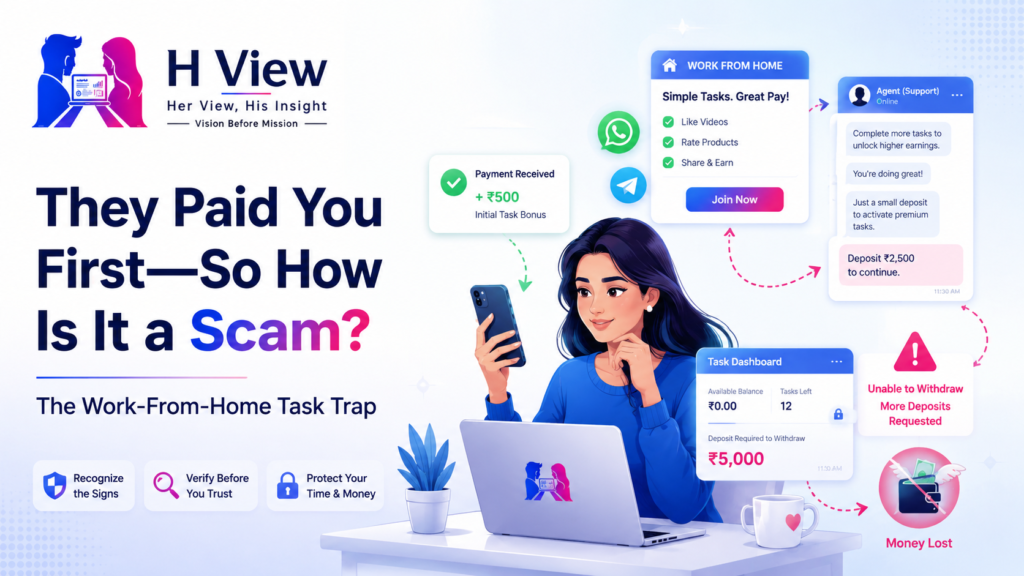
A WhatsApp message arrives from an unknown recruiter: “Earn ₹2,000 to ₹5,000 daily from home.…
 Satya Hemanth August 5, 2026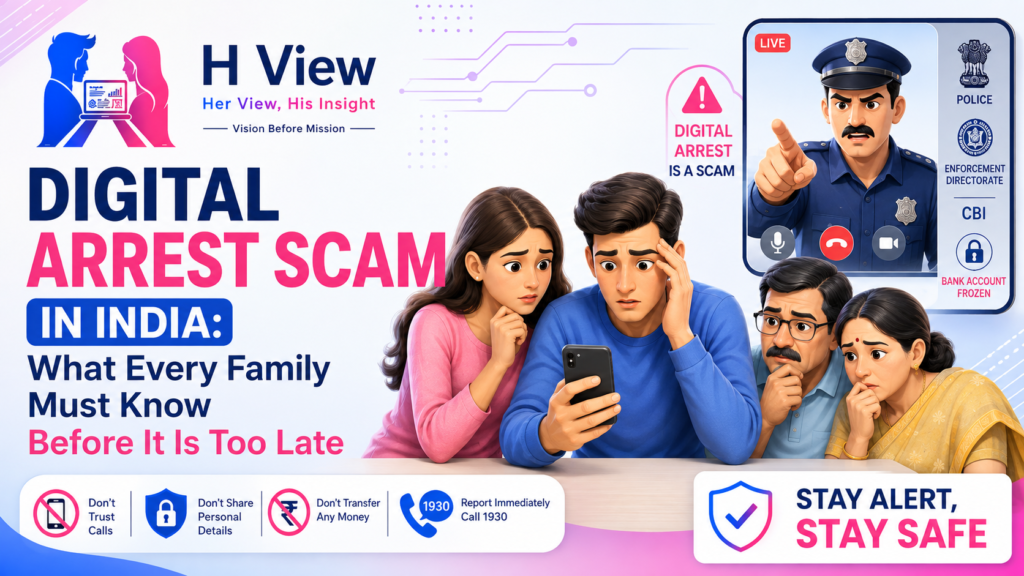
A phone call arrives from someone claiming to be a police officer, customs official, courier…
Harika August 4, 2026