

Best Digital Marketing Tools in 2026: What Marketers Actually Need and What They Can Skip
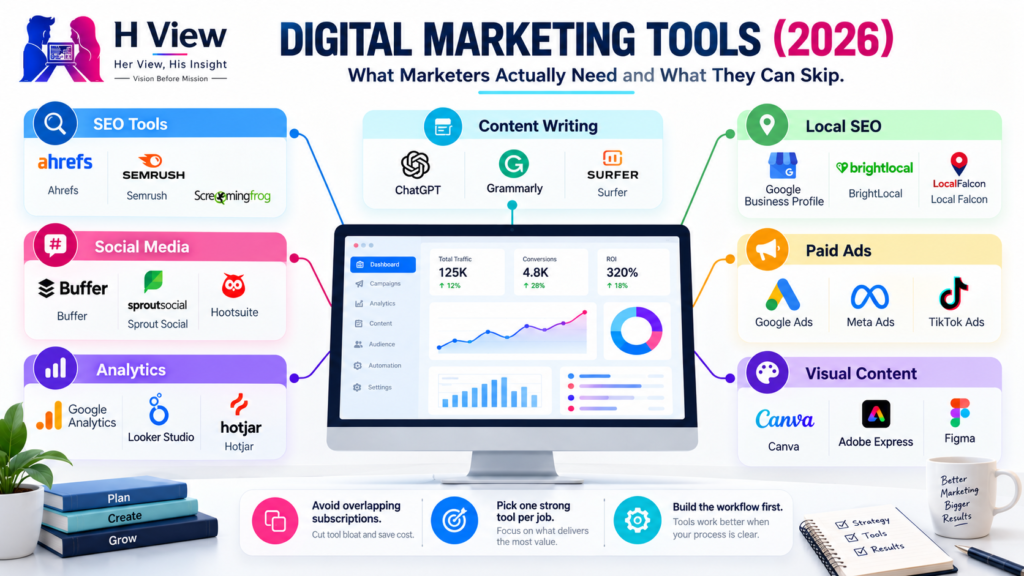
Open LinkedIn for a few minutes and you will probably come across a colourful graphic…
 Harika October 6, 2026
  By HarikaUpdated September 20, 202610 min read37 views
For years, success was expected to look a certain way.
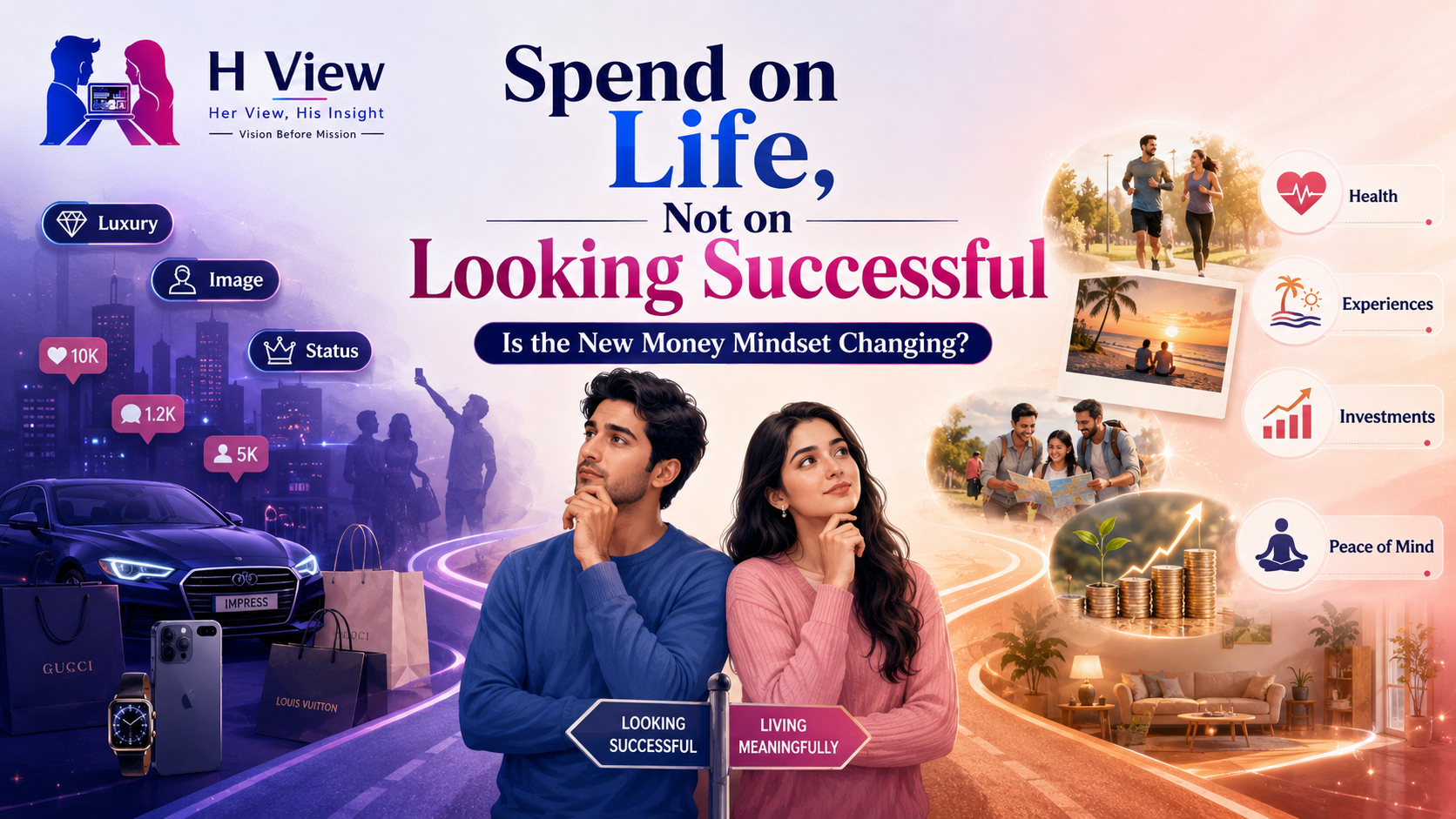
A bigger car, branded clothes, a premium phone, expensive jewellery, international holidays, luxury cafés, and a beautifully decorated home were often treated as visible signs that someone was doing well in life.
Even when people did not openly discuss income or savings, their lifestyle appeared to speak for them.
Social media made this pressure stronger. A promotion was followed by a new car post. A holiday became a carefully planned photo collection. Weddings became larger, phones were upgraded more frequently, and everyday purchases slowly turned into public statements about personal success.
But a different money mindset may now be emerging.
Instead of asking, “Will this make me look successful?” more people are beginning to ask:
“Will this actually improve my life?”
A Bengaluru couple recently attracted widespread attention after sharing five household money rules built around a simple philosophy: spend on life, not on appearances. Their approach prioritised meaningful experiences, health, consistent investing, and shared financial responsibility over luxury purchases made mainly to impress others.
Their rules felt relatable because they expressed something many people are quietly beginning to realise:
Looking wealthy and feeling financially secure are not the same thing.
Status spending is not always about vanity.
People naturally want acceptance, respect, comfort, and a sense of progress. A new vehicle may feel like proof that years of hard work have paid off. Branded clothing may improve confidence. A well-designed home can provide genuine comfort.
The problem begins when purchases are selected mainly for how they will be perceived by others.
A person may buy a more expensive car than required because colleagues own similar vehicles. A working professional may replace a perfectly functional phone because the older model no longer feels impressive.
A family may organise a costly celebration because a smaller one could invite criticism. Someone may travel to a fashionable destination but return worried about credit-card payments.
None of these decisions is automatically wrong.
However, when external approval becomes the main reason for spending, money starts funding an image rather than a life.
Earlier generations also compared homes, vehicles, clothes, and social standing. But those comparisons were mostly limited to relatives, neighbours, colleagues, and local communities.
Today, people compare their lives with hundreds of carefully selected online moments every day.
They see:
What they usually do not see are the EMIs, family support, unpaid debt, financial anxiety, arguments, failed investments, or years of saving behind those moments.
This creates an unrealistic comparison.
People compare their full financial reality with someone else’s most presentable moment.
The result is a quiet pressure to maintain a lifestyle that may not match income, savings, or personal priorities.
A healthy financial life cannot be built only around restriction.
People work hard because they want comfort, happiness, experiences, and a better life for their families. Saving every possible rupee while continuously postponing enjoyment can also create regret.
Spending on life may include:
India’s consumption patterns are increasingly moving beyond essentials toward travel, fitness, entertainment, dining, wellness, and other quality-of-life categories. Recent research also suggests that experiential spending may grow faster than spending on physical goods in India through 2030.
This does not necessarily mean people are becoming irresponsible.
It may mean they are redefining value.
A family holiday may provide more happiness than replacing a working television. A regular health check-up may be more valuable than a luxury accessory. A course that improves earning ability may matter more than a branded outfit worn a few times.
Money should not only protect the future. It should support a meaningful present.
The phrase sounds healthy, but it can be misused.
Almost any purchase can be described as an experience, self-care, convenience, or a reward for hard work.
An expensive holiday may be called “creating memories.” Frequent restaurant spending may be called “living life.” A premium car may be justified as comfort even when a less costly vehicle meets the same need.
The purpose of mindful spending is not to give every purchase a more attractive explanation.
It is to identify what genuinely adds value.
A purchase should be evaluated against personal income, debt, savings, responsibilities, and long-term goals. Something meaningful for one person may be unnecessary for another.
Spending on life still requires limits.
Otherwise, “I deserve this” can become as financially harmful as “I need to impress them.”
Visible wealth is easy to recognise.
It appears through products, travel, property, celebrations, and lifestyle upgrades.
Financial strength is less visible.
It may include:
A person with a modest car and strong investments may be financially safer than someone driving a premium vehicle with several active loans.
A family living in a simple home may have more freedom than one maintaining an expensive lifestyle that depends on uninterrupted income.
The Bengaluru couple whose rules went viral reportedly emphasised that their investment portfolio mattered more than the car they drove. They also treated investing as a regular priority rather than something done only with leftover money.
Real wealth often looks ordinary from the outside.
The discussion should not become a simplistic battle between experiences and possessions.
Some possessions improve life every day.
A quality mattress can improve sleep. A reliable laptop can support work for years. A washing machine can reduce household effort. A safe vehicle can make family travel easier.
Similarly, not every experience is meaningful.
A trip planned mainly for social-media photographs may create more stress than joy. A premium event may be forgotten quickly. Frequent outings can become routine consumption rather than treasured experiences.
The better question is not:
“Should I buy things or experiences?”
It is:
“Will this purchase continue to matter after the excitement is over?”
That question can apply to a phone, holiday, course, appliance, wedding, car, or subscription.
One of the most important changes in money thinking is the growing recognition that health spending is not always an expense to minimise.
Preventive check-ups, nutritious food, exercise, sleep, therapy, medical insurance, and stress management can support quality of life and reduce future disruption.
A 2025 NIQ study reported that 53% of surveyed Indian consumers said they were proactively taking steps to improve health and wellness. Wellness is also increasingly being treated as a daily and personalised practice rather than an occasional luxury.
However, the wellness industry can also commercialise insecurity.
People may overspend on supplements, premium fitness memberships, wearables, retreats, and products without understanding whether they genuinely need them.
Spending on health should be evidence-based and sustainable, not another form of lifestyle display.
There was a time when financial success was measured mainly through ownership.
Today, more people may be valuing flexibility:
This kind of success is difficult to photograph.
There may be no luxury logo, airport post, or new-car delivery video. But it can be felt every day.
Peace of mind does not mean avoiding ambition. It means building a life in which ambition does not continuously destroy health, relationships, and financial stability.
Before making a major lifestyle purchase, ask a few honest questions.
This is one of the clearest tests of status-driven spending.
The answer should be more specific than “I will feel successful.”
An enjoyable purchase can feel very different when the repayment continues long after the enjoyment ends.
Every purchase has an opportunity cost. The money may otherwise support savings, debt reduction, health, education, or another goal.
A higher-end purchase can bring recurring costs involving maintenance, insurance, subscriptions, or expectations.
Excitement fades quickly. Utility, meaning, and financial consequences remain.
The goal is not to live as cheaply as possible.
Extreme financial advice can make people feel guilty for every coffee, dinner, holiday, or small pleasure. A recent online debate in India showed how strongly people disagree when financial discipline is presented as requiring the elimination of all lifestyle spending until a fixed savings target is reached.
A healthier approach is to divide money by purpose.
Build emergency savings, insurance, and manageable debt.
Invest consistently, improve skills, and plan for long-term goals.
Spend consciously on comfort, hobbies, people, and experiences that genuinely matter.
Reduce purchases made mainly to compete, impress, or avoid social judgment.
Financial discipline should create freedom, not permanent guilt.
Her View: Money should support health, relationships, comfort, memories, and personal growth. A life spent only saving for an uncertain future may miss the experiences that make earning worthwhile.
His Insight: “Living fully” can easily become a pleasant label for overspending. Enjoyment remains sustainable only when savings, insurance, investments, and essential responsibilities are already respected.
Both views are valid.
The best money mindset does not choose only the present or only the future.
It gives both a place.
The new definition of financial success may be quieter than the old one.
It may not involve the most expensive car, the latest phone, or a lifestyle designed to attract admiration.
It may look like good health, meaningful experiences, growing investments, manageable commitments, and the ability to sleep without worrying about the next payment.
There is nothing wrong with enjoying premium products, luxury, or visible success when they are genuinely affordable and personally meaningful.
The problem begins when appearance consumes the money meant to build security and freedom.
Spending on life does not mean spending without limits.
It means directing money toward the people, experiences, health, comfort, and goals that continue to matter after public attention disappears.
The most useful question may no longer be:
“Does this make me look successful?”
It may be:
“Does this help me live successfully?”
It means prioritising purchases that improve health, relationships, comfort, personal growth, memories, or financial security instead of spending mainly to impress other people.
Not automatically. Luxury spending can be reasonable when it is genuinely affordable, does not create harmful debt, and does not interfere with important financial goals.
No. Useful possessions can improve life for years, while some experiences may offer little lasting value. The better choice depends on utility, meaning, affordability, and personal priorities.
Pause before major purchases, identify the real reason for buying, compare the purchase with financial goals, and ask whether you would still want it if nobody knew about it.
Essential protection and consistent investing should be prioritised, but a sustainable financial plan should also allow reasonable enjoyment. The exact balance depends on income, debt, responsibilities, and goals.
Lifestyle inflation happens when expenses rise along with income, often through upgraded housing, vehicles, dining, travel, gadgets, or subscriptions. This can prevent higher earnings from creating greater financial security.
Couples can discuss goals, disclose major expenses and debts, divide responsibilities clearly, agree on individual spending freedom, and review household finances regularly.
Yes. Emergency savings, insurance, low debt, and flexible spending can reduce stress and give people more control during job changes, health problems, or unexpected expenses.
Harika is the co-founder of H View and covers AI, technology, gadgets, digital tools, online platforms, and modern internet trends. Her articles focus on simplifying complex topics with practical explanations, balanced opinions, and reader-first insights.
Share your real experience and help other readers decide better.
No community views yet. Be the first to share yours.
Open LinkedIn for a few minutes and you will probably come across a colourful graphic…
Harika October 6, 2026 
When an employee resigns, many organisations move quickly into replacement mode. The manager informs HR,…
Harika October 6, 2026 
For many corporate employees, the workday begins long before they actually start working. They wake…
Harika October 5, 2026 
Many projects begin with an assumption that sounds reasonable on paper: the client will explain…
Harika October 1, 2026