

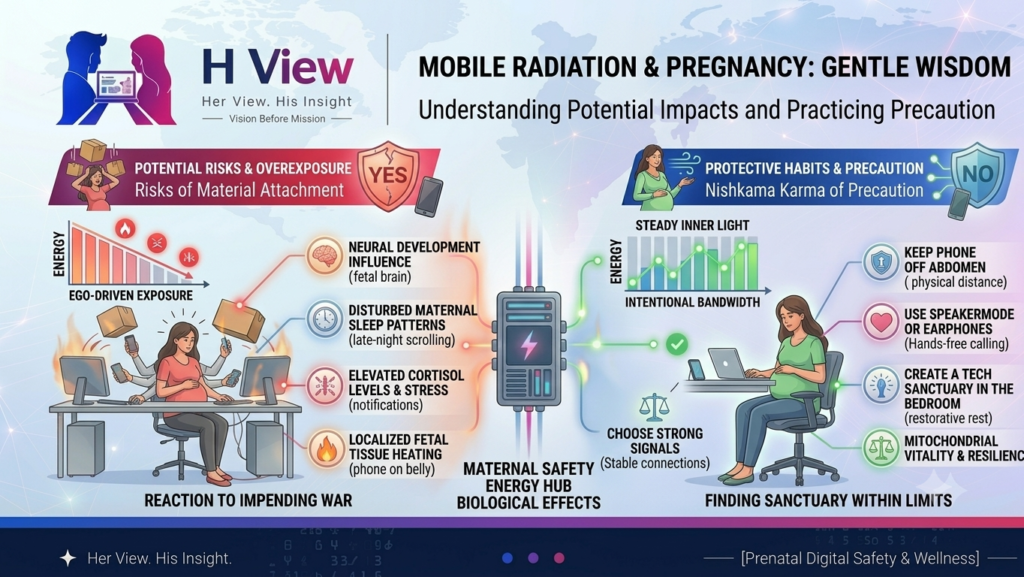
Mobile Radiation and Pregnancy: Gentle Wisdom for Expectant Mothers
Pregnancy is a journey filled with incredible joy, heightened awareness, and a fair share of…
 Rajesh September 6, 2026
 By AnnapurnaUpdated August 30, 202613 min read11 views
College is one of the first places where young people begin making social decisions with much more freedom than they had at school or at home. Friendships form quickly, groups become close, boys and girls spend more time together, late-night conversations become common, and people begin exploring what adult friendships actually look like. That freedom is important because college is not only about academics; it is also where many students learn how to communicate, trust others, handle disagreements, and build relationships outside family supervision.
But freedom works best when it is paired with boundaries. That is the part many students seem to underestimate. A friendship can be warm, close, funny, supportive, and deeply meaningful without becoming completely boundaryless. Physical touch, personal jokes, private messages, emotional dependence, social-media access, borrowing belongings, commenting on someone’s appearance, or expecting constant availability should not become automatic simply because two people consider each other close friends. The issue is not that young people are “too friendly.” The real issue is that comfort is often assumed instead of understood.
Physical boundaries are one of the easiest places for confusion to begin. In college friendships, people may casually touch each other’s shoulders while speaking, put an arm around a friend, hug frequently, sit very close, hold hands jokingly, or push each other playfully. In some friendships, both people are genuinely comfortable with that kind of closeness, and there is nothing inherently wrong with friendly physical affection.
The problem begins when one person’s comfort is treated as universal. A girl may be naturally expressive and assume that placing a hand on a male friend’s arm while talking is harmless, while he may actually feel awkward but not know how to say it. The same can happen in the opposite direction when a boy assumes that a close female friend is automatically comfortable with hugs, leaning on her, or frequent casual touch. Friendship does not remove the need for personal space. The healthier approach is simple: if you are not sure how comfortable the other person is, do not assume.
This is especially important because many students do not openly say when something makes them uncomfortable. They may laugh it off, move away slightly, stay quiet, or simply tolerate the behaviour because they do not want to make the friendship awkward. Silence does not always mean comfort, and a lack of objection should not be treated as permanent permission.
College friendships usually develop informally, so boundaries are rarely discussed directly. Students do not sit down at the beginning of a friendship and make a list of what is acceptable. Instead, limits are discovered gradually through behaviour, reactions, and communication. That can work well when both people are observant, but it can also create misunderstandings.
A student may laugh at a joke that actually embarrassed them because everyone else in the group laughed. Someone may allow a friend to read a message once and later realise that it has become an expectation. Another person may tolerate repeated physical closeness because saying no feels rude or because they are afraid of being labelled “too conservative,” “too serious,” or “boring.”
Healthy friendship therefore requires more than waiting for a strong objection. It requires enough awareness to notice hesitation and enough maturity to ask when something is unclear. A simple question such as “Are you comfortable with this?” or “Is this okay?” can prevent a lot of confusion without making a friendship formal or distant.
Social media has changed how young people understand closeness. Online, friendship is often shown through constant physical affection, sharing beds on trips, reading each other’s messages, posting embarrassing photos, using flirtatious jokes, exchanging passwords, or publicly discussing personal matters. When students see this repeatedly, these behaviours can start to look like the default signs of a strong friendship.
But online friendship is often performative. A short video or photograph does not show what boundaries those people have privately agreed upon. It also does not show whether everybody involved is genuinely comfortable or simply going along with what looks normal.
This is where young people can unconsciously copy the visible style of closeness without developing the communication that should sit behind it. They begin to believe that being close means having no limits. In reality, some of the strongest friendships are the ones where both people understand what is private, what kind of physical affection feels comfortable, what jokes are acceptable, and when the other person needs space.
Not every boundary is physical. College groups often develop a culture of constant teasing, and at first that can feel harmless. Friends joke about someone’s crush, appearance, marks, accent, clothes, family background, mistakes, or relationship status. When everyone is laughing, the group may assume the joke is fine.
The problem begins when one person becomes the regular target. They may keep smiling to avoid ruining the mood while slowly becoming uncomfortable. Because the group calls it “just fun,” the person may even begin doubting whether they have the right to feel hurt.
Friendship should actually make people more careful with sensitive information, not less. When someone shares an insecurity, family problem, private experience, or personal fear, that information should not automatically become material for jokes later. A joke stops being harmless when the other person repeatedly feels humiliated, even if everyone else finds it funny.
Another boundary that young people sometimes lose is privacy. Friends may expect to know phone passwords, open each other’s photo galleries, read private chats, ask to see messages, share screenshots, or demand explanations about who someone else is talking to. In some groups, this level of access is treated as proof of trust.
But real trust does not require surveillance. A close friend can still have private conversations, separate friendships, family matters, or personal decisions they do not want to share. Wanting privacy does not mean someone is hiding something or becoming distant.
Healthy friendship allows a person to say, “I don’t want to talk about that,” without being pressured to explain more. It also allows someone to keep their phone, messages, and private information to themselves without being accused of being secretive. Closeness should make privacy easier to respect, not easier to invade.
College friendships can become emotionally intense very quickly because students are adjusting to a new environment together. Within a few months, two people may know everything about each other’s families, relationships, insecurities, ambitions, and fears. That kind of closeness can be meaningful, but it can also become unhealthy if one person begins depending on the other for constant emotional support.
A friend may feel hurt when messages are not answered immediately, expect hours of conversation every time something goes wrong, or become jealous when the other person spends time with someone else. At that point, friendship begins to feel like emotional responsibility.
Supporting a friend is part of healthy closeness, but being responsible for another person’s emotional stability is different. A friend can care deeply and still need rest, time alone, other friendships, and space from constant emotional processing. Mature friendship allows both people to support each other without turning one person into a permanent counsellor.
Boundaries become especially important in friendships where romantic feelings could develop. Two friends may spend almost every day together, talk late into the night, share physical affection, become emotionally dependent, and behave almost like a couple while continuing to say they are “just friends.”
Sometimes both people genuinely see the relationship that way. At other times, one person begins interpreting the closeness differently. This is where confusion starts.
The problem is not that boys and girls cannot be close friends. They absolutely can. The problem is when behaviour becomes emotionally or physically intimate enough to create expectations that nobody is willing to discuss. Clear communication protects the friendship because it prevents one person from quietly building a different meaning around the same behaviour.
Some students treat boundaries as old-fashioned. Someone who does not like casual physical touch may be labelled conservative. A student who wants more privacy may be called secretive, while someone who refuses certain jokes may be told to “relax” or “chill.”
That attitude misunderstands what freedom actually means. Modern social freedom should increase personal choice, not reduce it. A person should be free to hug friends if everyone is comfortable, but they should be equally free not to be touched. Someone should be free to discuss relationships openly, but also free to keep personal matters private.
A genuinely respectful culture does not force everyone to behave casually. It allows each person to define what feels comfortable without being mocked for it.
Conversations about personal boundaries often focus on girls, and girls absolutely deserve safety and respect. But boys have boundaries as well, and those boundaries are sometimes ignored because young men are expected to enjoy any physical or emotional attention they receive.
A male student may feel uncomfortable when a female friend repeatedly touches him, reads his messages, comments on his body, or expects constant emotional availability. He may avoid saying anything because he fears other boys will laugh or assume he should enjoy the attention.
Consent, privacy, and personal space are not gender-specific ideas. Boys should be allowed to communicate discomfort without embarrassment, just as girls should. Teaching boundaries equally creates healthier friendships because neither side has to silently tolerate behaviour simply because society assumes they should be okay with it.
Many students avoid setting boundaries because they worry it will make the friendship awkward. In reality, boundaries can be very ordinary. You can tell a friend that you do not like a particular nickname, ask them not to post a certain photo, move away from physical contact that makes you uncomfortable, or say that you cannot answer calls late every night.
A good friend may be surprised, especially if the behaviour previously seemed acceptable, but they should be able to adjust. Healthy friendships are flexible enough to handle that kind of honesty.
If someone repeatedly mocks, ignores, or pushes against a reasonable boundary after it has been clearly communicated, the issue is no longer misunderstanding. It becomes a question of respect.
College is not only preparation for employment. It is also preparation for adult relationships. The way students learn to handle privacy, consent, personal space, conflict, and emotional closeness now will influence workplaces, romantic relationships, marriages, and families later.
Learning that another person’s body is not automatically available for casual touch matters. Learning that private information stays private matters. Learning how to hear “no” without becoming offended matters. Equally important is learning how to say no without feeling guilty.
These are not restrictions on friendship. They are signs of emotional maturity.
For young women, confidence should include the ability to decide what kind of closeness feels comfortable instead of following whatever the group treats as normal. Being friendly does not require accepting every hug, touch, joke, photograph, late-night conversation, or personal question. At the same time, girls should remember that male friends deserve the same respect for personal space and privacy. Healthy boundaries do not create distance between men and women; they make friendship safer because neither person has to silently tolerate behaviour that does not feel right.
Young men also need to understand that friendliness is not permission to cross physical, digital, or emotional boundaries, while also recognising that they are allowed to have boundaries of their own. A boy should not feel embarrassed to say that something makes him uncomfortable, just as a girl should not be pressured to accept closeness she does not want. Mature friendship begins when both people stop assuming and start respecting the other person’s comfort as seriously as their own.
The goal is not to make college friendships formal, suspicious, or emotionally distant. Students should laugh, travel, build memories, support each other, and form friendships that may last for decades. Boundaries do not reduce that closeness; they protect it.
You do not own your friend’s time because you are close, and you do not automatically gain access to their phone, private information, emotions, or body because they trust you. The healthiest friendships usually reach a point where boundaries do not feel like walls. They feel like understanding.
Young people have more freedom than ever in how they socialise and build friendships. The next step is learning that freedom becomes healthier when it is matched with respect. Friendship does not become stronger when every boundary disappears. Very often, it becomes stronger when both people know that closeness and respect are supposed to grow together.
Boundaries help students maintain personal space, privacy, emotional comfort, and mutual respect. They make friendships healthier because both people understand what is acceptable instead of assuming that closeness gives unlimited access to another person’s time, body, phone, or private life.
Yes. In fact, strong friendships usually work better when boundaries are clear. Two people can be very close and still have limits around physical touch, private conversations, social media, late-night calls, teasing, or how much emotional support they can give at a particular time.
Not automatically. Friendly physical affection can be completely normal when both people are comfortable with it. The important point is mutual comfort. A hug, touch on the shoulder, or sitting close should never be assumed to be acceptable simply because two people are friends.
Some people clearly say they are uncomfortable, while others may become quiet, move away, laugh awkwardly, avoid similar situations, or appear hesitant. If you are unsure, asking respectfully is better than assuming. Comfort should not be judged only by whether someone directly says no.
Emotional boundaries involve recognising that a friend cannot always be available to listen, reply immediately, solve every problem, or provide constant reassurance. Healthy friends support each other without making one person responsible for the other’s emotional wellbeing.
No friendship requires that level of access. Some friends may voluntarily share certain things, but privacy should always remain a personal choice. Wanting to keep messages, photos, family matters, or conversations private does not mean someone is hiding something.
Teasing becomes unhealthy when the same person is repeatedly embarrassed, sensitive topics are used as jokes, or someone continues after being asked to stop. A joke is not harmless simply because the rest of the group finds it funny.
Boundaries can be communicated simply and calmly. A student can say they do not like a particular nickname, do not want a photo posted, prefer not to discuss a private issue, or are uncomfortable with certain physical contact. A healthy friend may need time to adjust, but they should respect the boundary.
Yes. Personal space, consent, privacy, and emotional boundaries apply to everyone. Boys should be able to say when physical attention, personal comments, message-checking, or emotional expectations make them uncomfortable without being mocked.
Yes. When two friends spend a lot of time together, communicate constantly, become emotionally dependent, or share frequent physical affection, one person may interpret the connection romantically even when the other does not. Honest communication can prevent unnecessary confusion and protect the friendship.
Annapurna is an H View contributor covering relationships, family, lifestyle, entrepreneurship, and everyday decision-making. Her articles focus on emotional clarity, practical understanding, and human-centered perspectives that help readers think better about personal and professional situations.
Share your real experience and help other readers decide better.
No community views yet. Be the first to share yours.
Pregnancy is a journey filled with incredible joy, heightened awareness, and a fair share of…
Rajesh September 6, 2026 
In a world where our smartphones are practically attached to our hands—or resting against our…
Rajesh September 6, 2026 
We live in an age of endless noise. Every day, we are bombarded with advice…
Rajesh September 6, 2026 
A woman can spend the day managing clients, attending meetings, answering calls, meeting deadlines, handling…
Annapurna September 6, 2026